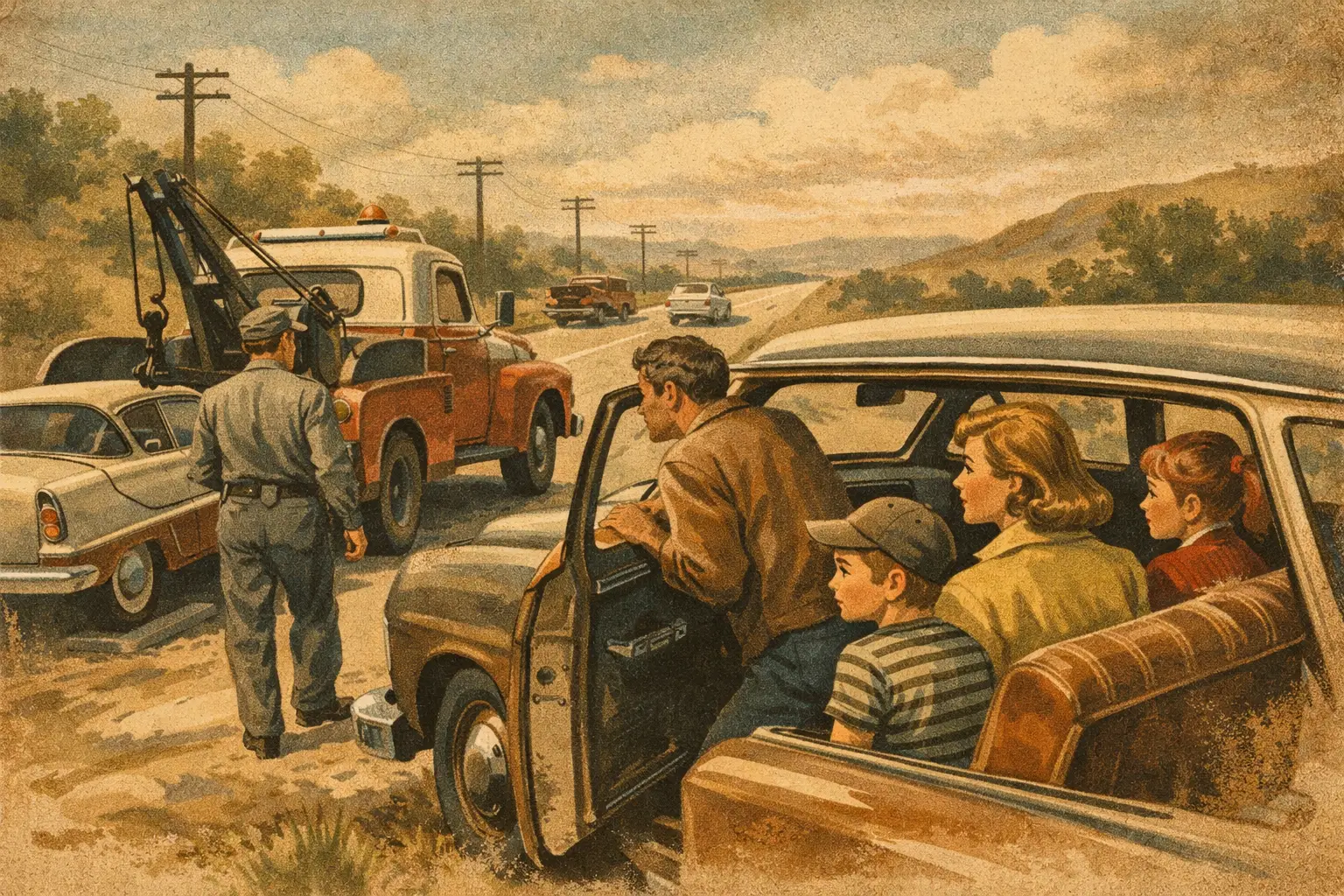
Your car has stopped at the side of the road, you are not alone, and the first question is often not about the vehicle at all. It is about the people with you. If you are asking, will roadside recovery take passengers, the honest answer is sometimes yes, but not always. It depends on the recovery operator, the type of vehicle sent, how many people need a lift, where the breakdown has happened, and what is safe and legal at that moment.
That uncertainty catches a lot of drivers out. Many assume that if a recovery lorry takes the car, everyone in the broken-down vehicle automatically gets taken too. In practice, roadside recovery for passengers is usually handled case by case. Some operators can take one or two passengers in the cab. Others may not be able to take any beyond the driver. If there are children, pets, lots of luggage, or more people than seat belts, the answer can change very quickly.
Will roadside recovery take passengers in every breakdown?
No. There is no blanket rule that says every roadside recovery vehicle must carry all passengers from the broken-down car. Recovery firms have to work within the seating available, insurance terms, health and safety rules, and the type of job booked.
A local breakdown van sent for a jump start or wheel change is not the same as a flatbed recovery vehicle collecting a non-runner after an accident. The operator may have a spare seat, or they may have no legal room at all. Even when there is physical space, the decision still comes down to whether carrying passengers is allowed under that operator’s policy and whether it is safe.
That is why the best question to ask when you call is not only, can you recover the car, but also, how many passengers can you take? It saves time and avoids a second problem once help arrives.
What decides whether passengers can travel?
The biggest factor is seating. Recovery vehicles do not exist to move groups of people around comfortably. They exist to move vehicles. Some have room for one passenger alongside the recovery driver. Some have extra seats. Some do not.
The second factor is safety. Every passenger needs a proper seat and seat belt. No reputable operator is going to squeeze people into a cab that is not designed for them. If the breakdown has happened on a motorway hard shoulder or in another high-risk place, the operator may also need to control how people are moved away from danger before worrying about onward travel.
The third factor is policy. Different firms work differently. Some will only take the driver. Some will take one or two extra passengers where possible. Some may recover the vehicle but ask passengers to arrange a taxi, family pick-up, or alternative transport.
The job type matters as well. A straightforward non-start at home is easier to deal with than a multi-vehicle accident, a badly damaged car, or a van packed with tools and materials. The more complicated the recovery, the less likely it is that there will be room or flexibility for everyone to travel together.
Children and vulnerable passengers
If there are children, elderly passengers, or somebody with mobility issues, mention that immediately when booking. That information affects what can realistically be arranged. It may mean a different vehicle is needed, or that the operator advises a separate transport plan.
Child seats can be another issue. Even if there is space in the cab, proper restraints still matter. A quick lift is not a reason to ignore them.
Pets and luggage
Pets and luggage often get forgotten in the first phone call. They should not be. A small bag is one thing. Multiple suitcases, shopping, work gear, or a dog crate can make the cab unsuitable very quickly.
If you are travelling with a pet, ask before the recovery vehicle sets off to you. Some operators can help. Some will not carry animals in the cab.
What to expect when you call for recovery
If you need an answer to will roadside recovery take passengers, expect the call handler to ask practical questions. How many people are with you? Are there children? Is anyone injured? Is the vehicle in a safe place? Does the car need roadside assistance first, or full recovery? These are not filler questions. They decide what can actually be sent.
A good operator will tell you clearly what is possible before attending. That might mean, yes, we can take the driver and one passenger. It might mean, we can recover the car but you will need separate transport for the rest. Clear answers matter because breakdowns are stressful enough without mixed messages.
If you are in or around Peterborough and need urgent help, this is exactly the sort of detail worth raising at the start. It makes the response faster and avoids surprises on arrival.
When passengers usually can be taken
Passengers are more likely to be taken when the recovery vehicle has suitable seating, the number of people is small, the route is local, and there are no extra complications with safety or vehicle damage. One driver and one passenger is often manageable, depending on the setup. Two passengers may be possible with the right vehicle. More than that becomes less likely.
Short local recoveries are generally easier to accommodate than long-distance transport. If the car is being moved just a few miles to a garage, home address, or safe location, there may be more flexibility than if it is going much further.
It is also more straightforward when the vehicle owner calls directly and explains the full situation clearly. Last-minute changes at the roadside can be harder to work around.
When passengers may need another plan
There are plenty of situations where the answer will be no, or only partly yes. If there are four or five passengers, if the car has broken down in a dangerous live-lane situation, if the vehicle attending has only one spare seat, or if the recovery is tied to a strict insurance job, passengers may need to travel separately.
That does not mean the operator is being difficult. It usually means they are working within legal and practical limits. Any firm that promises to carry people without asking basic questions is worth being cautious about.
A separate taxi, lift from family or friends, or collection from a safe meeting point may be the sensible option. For families especially, that can actually be less stressful than trying to fit everybody into a recovery cab that was never designed for it.
How to improve your chances of travelling with the vehicle
The simplest thing you can do is give full details straight away. Say how many passengers there are, whether there are children or pets, and where you need to go. If your vehicle is loaded with belongings, mention that too.
It also helps to stay flexible. If the operator can take one passenger but not three, decide early who should go with the vehicle. Usually that is the driver or policy holder, especially if the car is being dropped at a garage and paperwork or instructions are needed.
Being ready with a second option for the remaining passengers keeps things moving. Recovery is about getting you out of a bad situation quickly, not creating a second delay over transport arrangements.
A few common misunderstandings
One common misunderstanding is that breakdown cover and passenger transport are the same thing. They are not. A policy may cover the vehicle recovery itself without guaranteeing that every occupant gets a lift in the attending vehicle.
Another is that a large flatbed automatically means lots of room in the cab. The carrying deck for the car tells you nothing about passenger seating. The cab can still be limited.
The last one is assuming the operator will sort everything out without being told the details. Recovery teams are fast, but they still need accurate information to send the right vehicle and give the right advice.
The best question to ask before booking
If you remember one thing, make it this. Do not just ask for recovery. Ask, can you recover the vehicle, and can you take the passengers with us?
That single question gets to the point fast. You will know where you stand, what the limits are, and whether you need to arrange anything else before the vehicle arrives. It turns a vague promise of help into a practical plan.
Breakdowns are rarely convenient, and they are even harder when you have other people in the car relying on you. A good recovery service will be clear, honest and quick about what is possible. If passengers can be taken safely, they should tell you. If not, you are better off knowing straight away so you can make the next move without wasting time.
Leave a Reply