May 29, 2026
Best Way to Move a Damaged Car Safely
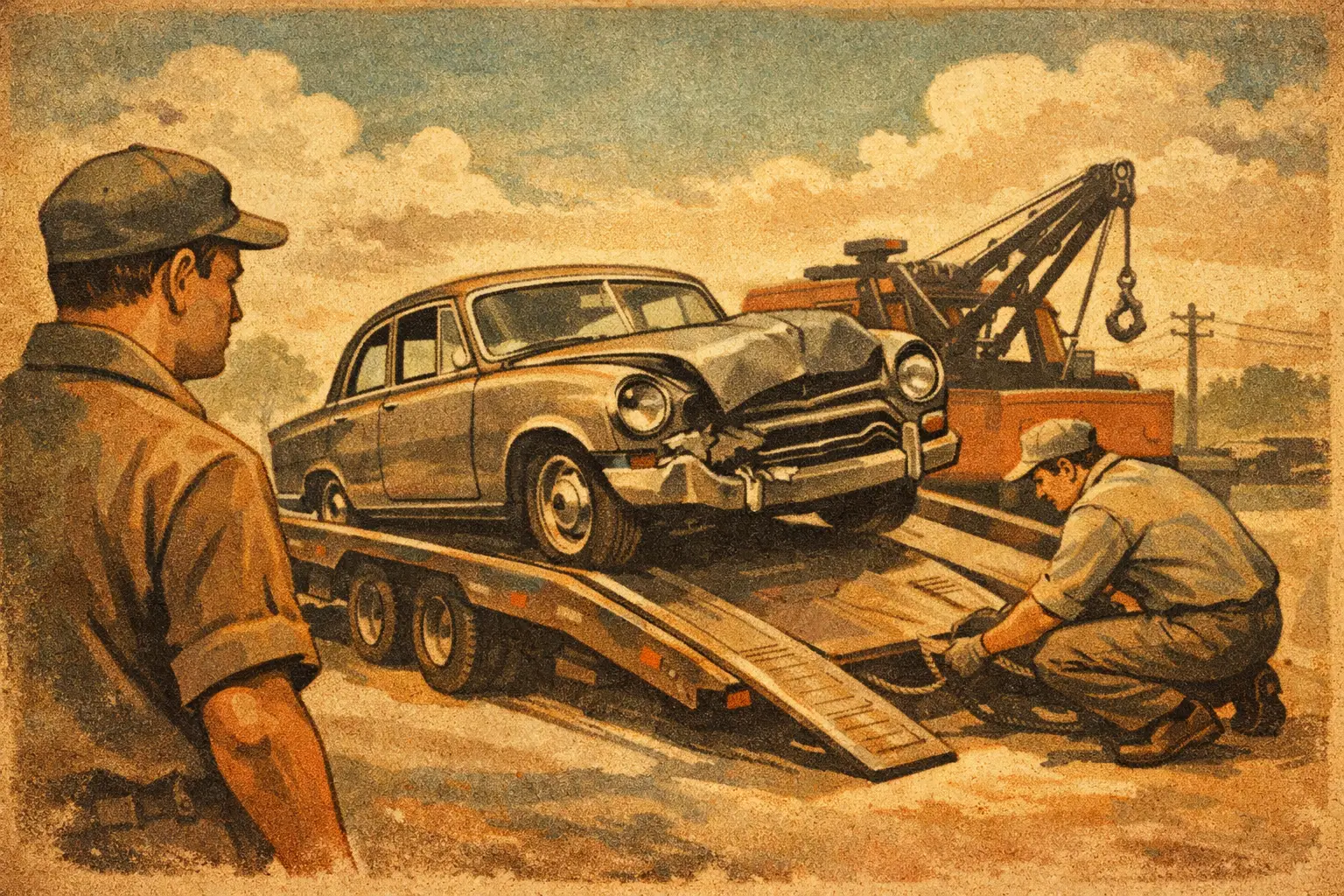
Find the best way to move damaged car safely, avoid extra damage, and know when to call recovery…
Read article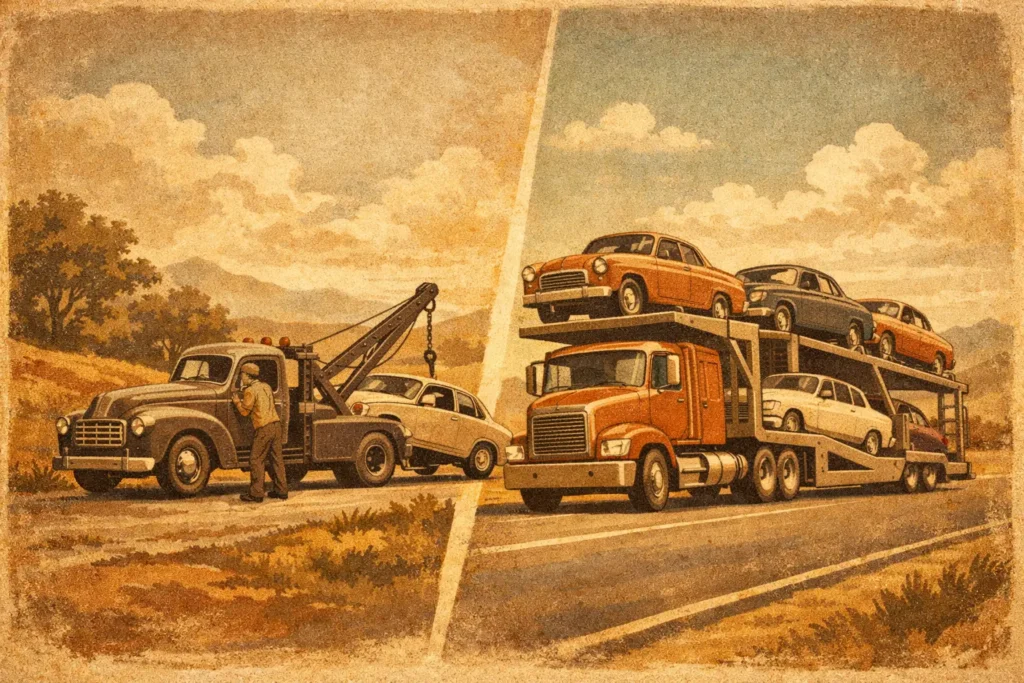
A tow lorry or transporter can both move a vehicle that will not drive, but they do not solve every problem in the same way. If your car has broken down at the roadside, been damaged in an accident, has locked wheels, or simply needs moving to another address, choosing the right recovery method protects the vehicle and avoids delays.
For most drivers, the priority is simple: get the car collected safely and get a clear price without spending an hour trying to work out recovery jargon. The condition of the vehicle, where it is parked and where it needs to go will usually decide whether it should be towed or carried.
In everyday conversation, people often use “tow lorry” to describe any recovery vehicle. In practice, a tow vehicle usually lifts one end of the car or pulls it using approved recovery equipment, while a transporter carries the whole vehicle on a flatbed or recovery bed.
A tow can be a sensible option for a short, straightforward recovery where the vehicle rolls freely, the steering is working and there is no concern about further damage. It can also be useful where space is limited and a quick roadside removal is needed.
A transporter keeps all four wheels off the road. The vehicle is winched or driven on to the bed, secured correctly and carried to its destination. This is generally the safer choice for accident-damaged cars, non-runners, vehicles with transmission faults and cars that need moving over a longer distance.
The best option is not always the cheapest-looking option. A recovery method that is unsuitable for the car can create extra wear, damage tyres or put strain on parts that are already faulty. A good recovery operator will ask the right questions before dispatching a vehicle.
Towing tends to work best when the vehicle is mechanically sound enough to roll and steer, but cannot be driven for a relatively simple reason. For example, a car may have a flat battery that cannot be resolved at the roadside, a minor engine issue, or a fault that means it needs taking a short distance to a garage.
The location matters too. A vehicle stopped on a narrow residential street or a busy access road may need to be cleared promptly. A tow arrangement can sometimes make this possible where positioning a larger flatbed would be awkward.
That said, the car still needs to be suitable. The wheels must turn, the tyres need to be intact enough for movement, and the steering should not be locked at an angle. The handbrake must also be released where required. If any of these points are an issue, forcing a tow is not the answer.
Modern cars add another consideration. Some automatic, four-wheel-drive, hybrid and electric vehicles have specific recovery requirements. Towing them with driven wheels on the road can damage the gearbox, drivetrain or electric motor system. The manufacturer’s guidance should always take priority.
A transporter is usually the right answer when there is any doubt about the vehicle’s ability to roll safely. It is the preferred option after a collision, particularly if there is wheel, suspension, steering, tyre or body damage. Even a car that looks mostly intact may have a bent component underneath that makes road-wheel towing risky.
It is also ideal for non-starting vehicles being moved from a home, workplace, garage or storage site. Perhaps the car has failed its MOT, has been off the road for months, has a seized brake or has no valid road tax or insurance for driving it. Carrying it on a bed keeps the move controlled from collection to drop-off.
A flatbed transporter is particularly useful for:
A transporter also gives added peace of mind for a longer journey. Your vehicle is secured in one position instead of travelling with wheels on the road. For owners moving a valued classic, an unregistered project car or a vehicle with a serious mechanical problem, that difference matters.
Before booking, do not just say that the car has broken down. A few accurate details help the operator send the correct vehicle first time and give a more realistic quote.
Start with the make, model and registration. This helps identify vehicle weight, drivetrain and any likely recovery limitations. Then explain whether it starts, rolls, steers and has inflated tyres. If the wheels are locked, the keys are missing, the vehicle is in gear, or it is parked nose-in on a tight drive, say so from the outset.
The collection point is equally important. A car on a clear driveway is very different from one in a multi-storey car park, an underground bay, a muddy field or on a live roadside. Low height barriers, narrow gates and limited turning space can affect which recovery vehicle can get close enough to load safely.
Finally, be clear about the destination. Is the vehicle going to a local garage, a bodyshop, your home, a dealership or a different town? If the car needs to be left outside normal hours, check that the drop-off location is accessible and that the receiving garage is happy to accept it.
It can be tempting to ask a friend with a rope or bar to pull the car home. This can turn a manageable breakdown into a more expensive problem. A tow rope does not provide the control, visibility or braking safety needed for many road situations, and an unroadworthy car may not be legal or safe to tow on public roads.
There are risks for both vehicles. Sudden braking can cause a collision, a snapped rope can cause injury, and a low-slung car can be damaged by incorrect attachment points. If the fault involves brakes, steering, tyres or suspension, the risk rises quickly.
Professional recovery equipment is designed to secure and move disabled vehicles properly. The operator can assess access, loading angle, vehicle condition and the safest way to position the car before it moves. That is especially valuable after an accident, when stress makes it easy to overlook damage.
Recovery prices depend on more than mileage. A straightforward collection from an accessible driveway will normally take less time than a vehicle with four locked wheels in a restricted car park. Accident damage, missing keys, low-clearance cars, difficult access and out-of-hours collection can all affect the work involved.
Distance is still a major factor, particularly for planned transport. But it is better to provide the full picture and receive a clear quote than book the wrong service and find that the vehicle cannot be moved safely on arrival.
For urgent jobs, have your location ready, ideally with the road name, postcode or a nearby landmark. Keep yourself somewhere safe, especially if you are stopped on a busy road. If the car has been in an accident, do not attempt to move it unless it is safe and necessary to do so.
You do not need to decide the recovery method alone. Tell the recovery operator what has happened, where the vehicle is and whether it rolls, steers or starts. Photos can be helpful for visible accident damage, tight access or unusual vehicle positions.
For drivers across Peterborough and the surrounding postcodes, Car Recovery Peterborough can assess the job quickly and arrange the suitable collection option, whether that is urgent roadside recovery or scheduled vehicle transport. A direct call or WhatsApp message is often the fastest way to confirm availability and get moving.
If you are unsure whether you need a tow lorry or transporter, choose safety over guesswork. Give an honest description of the vehicle’s condition, and let the recovery plan match the problem. It is the quickest route to getting your car where it needs to be without adding another fault to the list.
Need recovery right now?
WhatsApp Us
Find the best way to move damaged car safely, avoid extra damage, and know when to call recovery…
Read article
Know the top signs your battery needs a jump start, what to do safely, and when a flat…
Read article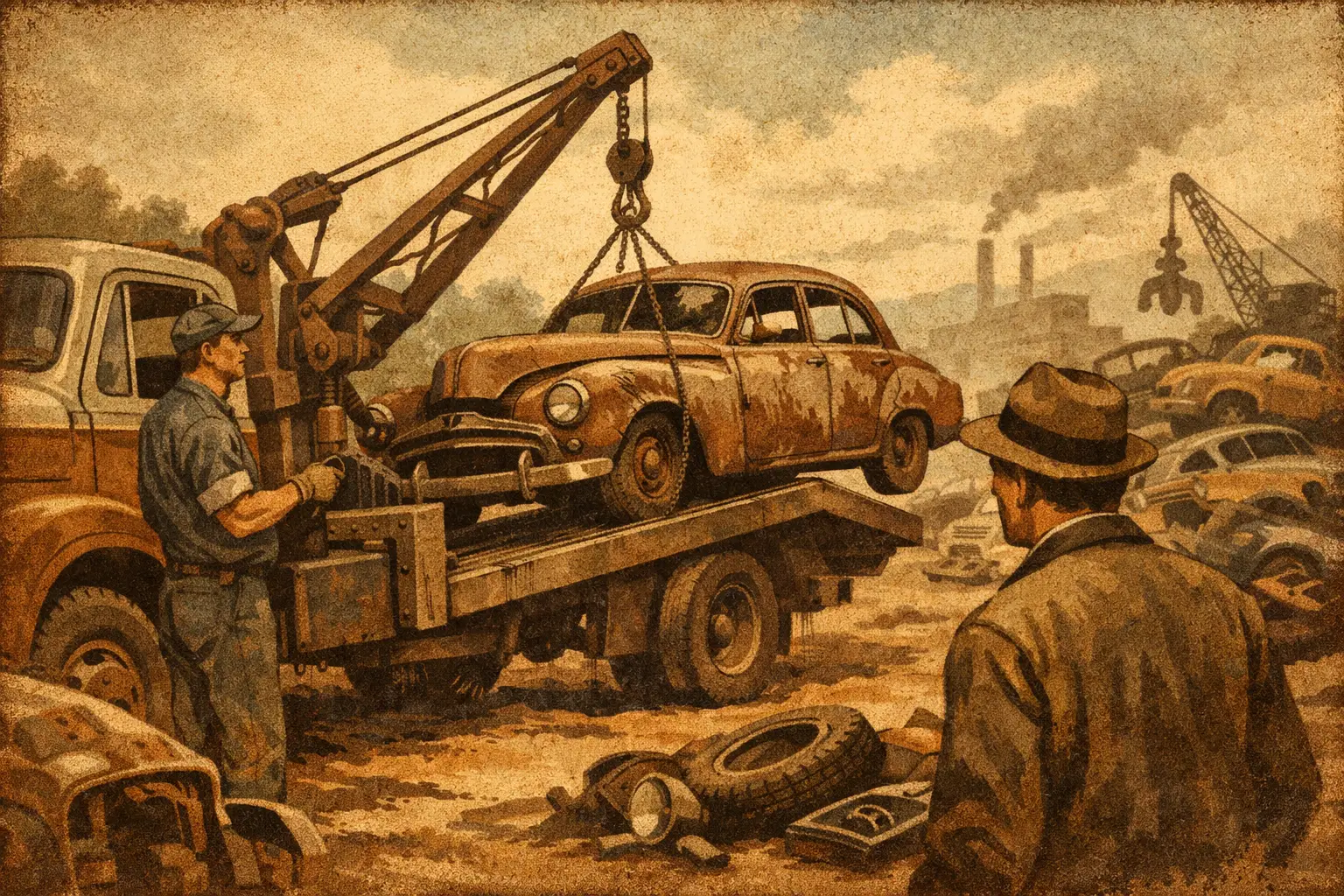
Best ways collect scrap vehicle safely and quickly. Learn what affects collection, paperwork, access, value and same-day pickup…
Read article