
July 5, 2026
Roadside Help PE2 When You Need It Fast
Need roadside help PE2 drivers can rely on? Get fast 24/7 support for breakdowns, jump starts, flat batteries,…
Read article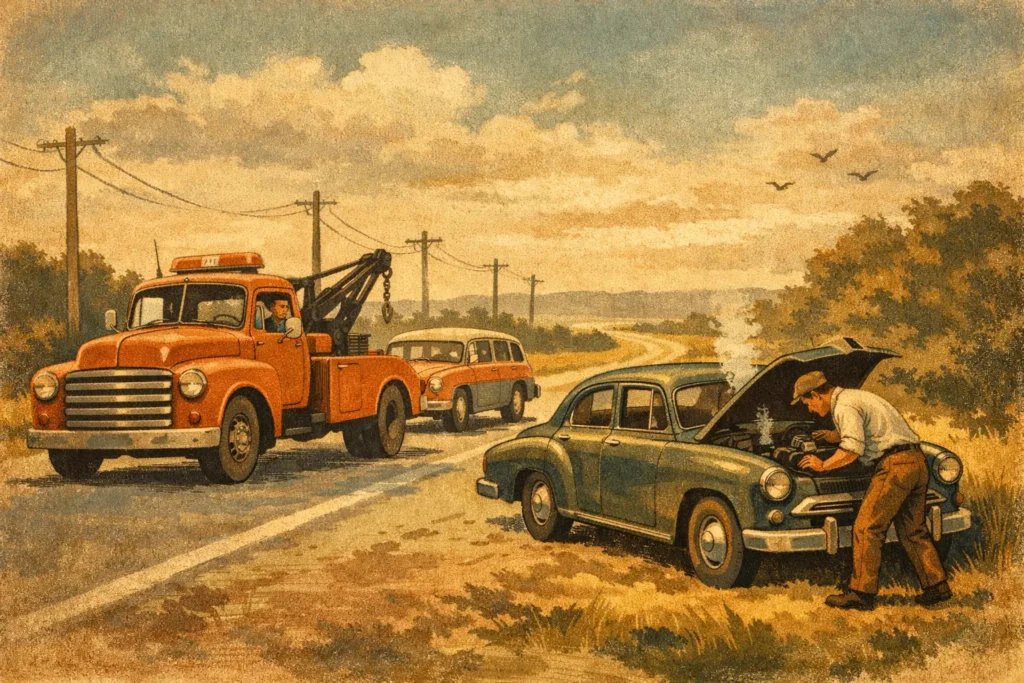
A car that will not start on the drive is frustrating. A car that stops on a busy road, outside work or on the school run needs a quick, sensible response. For vehicle recovery PE7, the priority is getting you and your vehicle out of a difficult position safely, then arranging the right onward transport without unnecessary delay.
Not every breakdown needs the same solution. A flat battery may be resolved with a jump start, while a damaged wheel, locked steering or engine fault may mean the vehicle should not be driven at all. Clear information at the start helps the recovery operator send the right equipment and give you a straightforward quote.
Recovery is the sensible choice when driving could cause further damage, create a safety risk or simply is not possible. Common examples include a vehicle that has broken down at the roadside, will not select a gear, has suffered accident damage, has a puncture with no usable spare, or has an engine warning that makes continuing unsafe.
It is also useful for vehicles that are not in an emergency but cannot be legally or safely driven. Perhaps the MOT has expired, the battery has gone flat after standing for weeks, or a project car needs moving to a garage. Scheduled transport can take the pressure out of the job and avoids relying on a favour from someone with the wrong vehicle or equipment.
In and around PE7, a recovery request can involve anything from a car stranded outside a home to a van stopped on a rural route. The location matters. A vehicle on a narrow road, in a car park with height limits or facing the wrong way may need a different approach from one parked on a clear driveway.
If you can stop in a safe place, move away from live traffic and switch on your hazard warning lights. Keep passengers away from the road, particularly children and pets. Do not attempt repairs beside fast-moving traffic, and do not stand between your vehicle and passing traffic.
On a motorway or high-speed road, get behind a safety barrier if it is safe to do so. If you cannot leave the vehicle safely, stay belted in and call for assistance. Following a collision, call emergency services first where anybody is injured, there is danger from fuel or traffic, or the road is blocked. Vehicle recovery should follow once the scene is safe and the relevant authorities have given direction.
A recovery operator can move a damaged vehicle, but they cannot make an unsafe roadside situation safe by magic. Giving an accurate location and explaining any immediate risks saves time and helps everyone make the right decision.
Before calling or sending a WhatsApp message, have the registration number, make and model ready. Say whether the vehicle is at home, on a road, in a car park or at a garage, and give the nearest postcode, road name or recognisable landmark. A dropped pin is particularly useful if you are somewhere unfamiliar.
Explain the problem in plain terms. For example, say that the engine turns over but will not start, the front wheel is damaged, the keys are locked inside, or the car has been involved in a collision. Mention if the vehicle is automatic, electric, lowered, heavily loaded or has wheels that will not turn. These details affect how it can be loaded and transported.
It also helps to confirm where the vehicle needs to go. That may be your home, a local repairer, a dealership, a body shop or another address. A quote is clearer when both collection and drop-off points are known from the outset.
The difference is simple. Roadside assistance is for faults that may be resolved where the vehicle is, such as a flat battery, an empty fuel tank or a minor issue that can be checked quickly. Full recovery means loading or otherwise safely moving the vehicle to a chosen destination.
A jump start can get a car moving, but it is not always the best answer. If the battery is old, the alternator has failed or warning lights remain on, the car may stop again shortly afterwards. In that situation, recovery to a garage is often the more practical option. It may cost more than a quick roadside fix, but it avoids a second breakdown and another wait.
The same applies after an accident. A car may look driveable but have hidden damage to steering, suspension, tyres or cooling components. If there is any doubt, do not take chances. Transporting it for inspection is usually preferable to causing more damage on the journey.
A good recovery service is not just about arriving with a vehicle transporter. It is about confirming the job, assessing the condition of the vehicle, loading it correctly and keeping you updated if plans change. You should know what is being collected, where it is going and what the agreed charge covers.
For a straightforward non-runner on private land, collection can be relatively simple. For a car with accident damage, a seized wheel or restricted access, more time and careful handling may be required. Be honest about the condition when booking. It prevents surprises at collection and helps avoid delays caused by unsuitable equipment.
If personal belongings are inside the vehicle, remove anything valuable before it is transported where possible. Keep your keys, vehicle documents and any garage booking details to hand. If somebody else will meet the recovery driver at the destination, make sure they know the expected arrival arrangements.
Not every recovery is urgent. If you have a car that has failed beyond economical repair, has been sitting on the drive, or needs moving before sale or repair, booking a collection can be the easiest route. You do not need to tax, insure or attempt to start a vehicle simply to get it to another location.
For end-of-life vehicles, it is worth deciding whether you need transport to a repairer, collection for sale, or scrap vehicle collection. The best option depends on the vehicle’s condition, its value and whether you intend to keep it. A vehicle with a recoverable fault may be worth repairing; one with major structural damage or a failed engine may be better collected for disposal.
Car Recovery Peterborough provides 24/7 support for urgent breakdowns, accident recovery and planned vehicle moves, with direct contact available when you need a quick answer rather than a complicated booking process.
Do not keep trying the ignition until the battery is drained, drive on a visibly damaged tyre, or tow a vehicle with improvised ropes. Those choices can turn a manageable fault into a bigger repair bill or put people at risk. A quick recovery quote is often the calmest next step when the vehicle cannot safely continue.
If you need vehicle recovery in PE7, share your location, vehicle details, the fault and destination as clearly as you can. The right information gets the right help moving, and lets you focus on getting yourself safely where you need to be.
Need recovery right now?
WhatsApp Us
Need roadside help PE2 drivers can rely on? Get fast 24/7 support for breakdowns, jump starts, flat batteries,…
Read article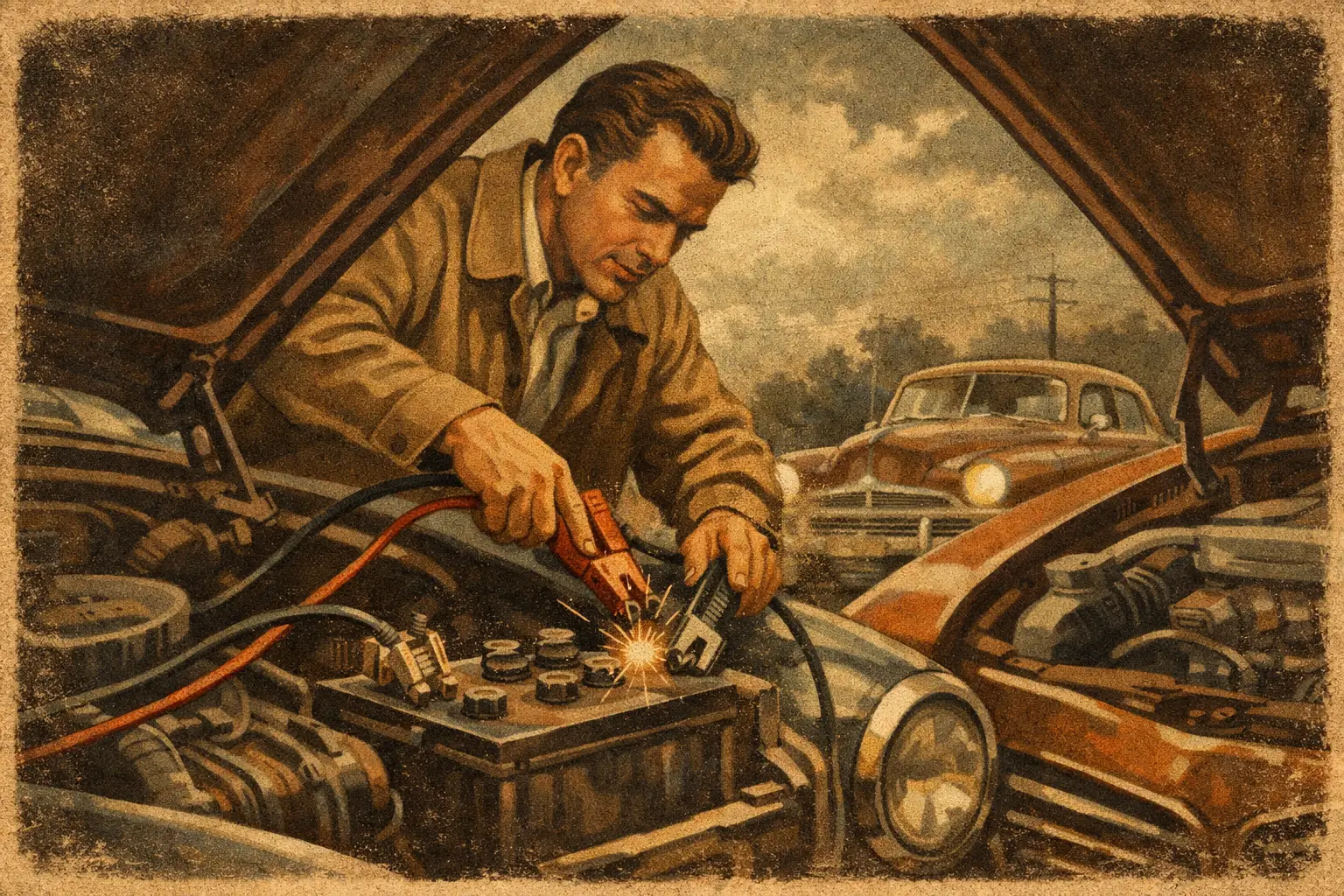
Can a dead battery be jumped safely? Learn when a jump start works, when it will not, and…
Read article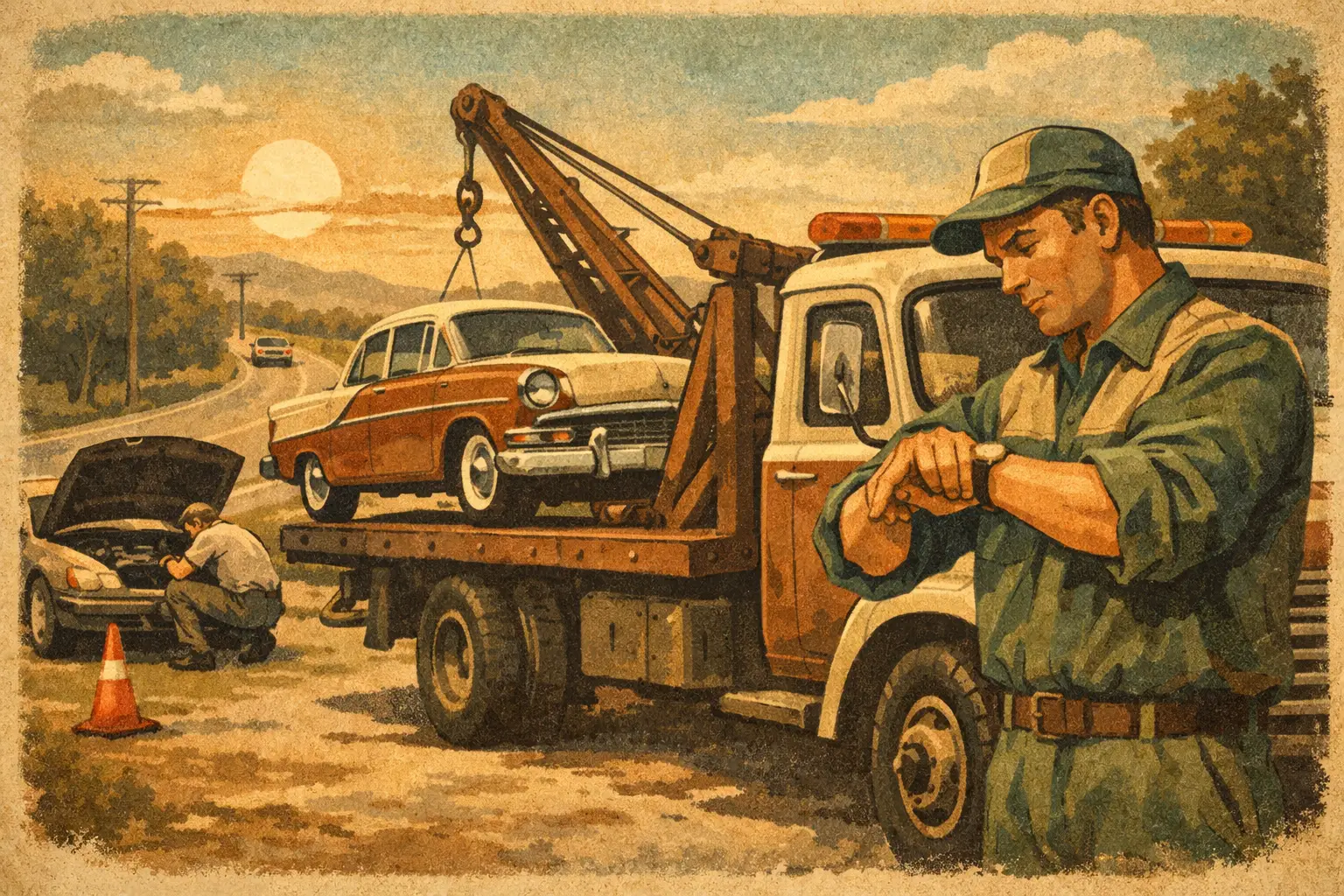
How long does car recovery take? Get a clear idea of response times, delays, and what affects car…
Read article