
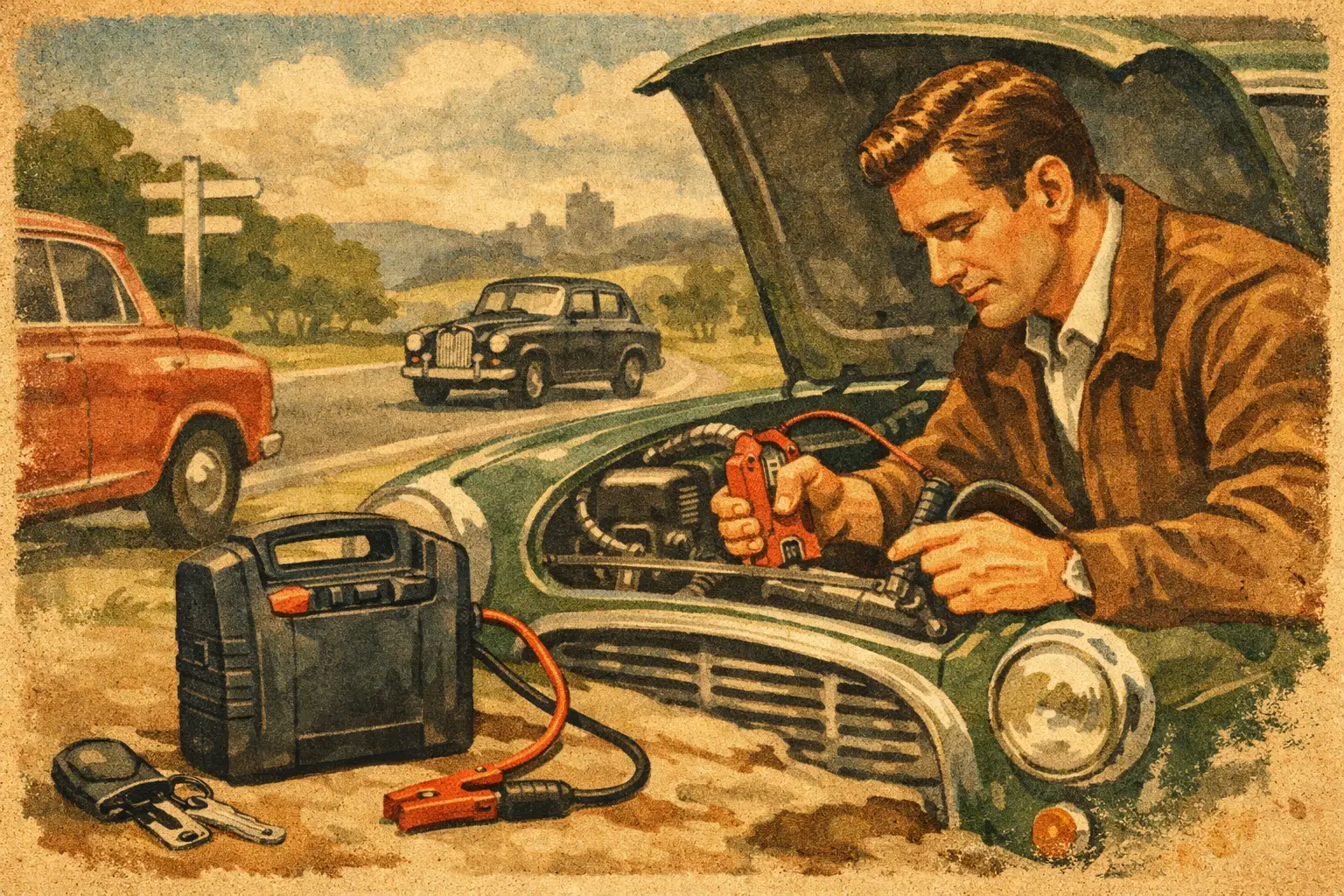
A flat battery rarely happens at a convenient time. It is usually early, raining, dark, or you are already late. That is why a portable jump starter review matters more than a spec sheet. On paper, most units look similar. In real use, the differences show up fast – especially when your car will not start and you need it sorted now.
For most drivers, a portable jump starter is worth having. It can save you waiting for another vehicle, hunting for jump leads, or relying on a stranger in a car park. But not every model is as useful as the box suggests, and the wrong one can leave you with a false sense of security.
Portable jump starter review – what actually matters
The first thing to ignore is inflated marketing. Many jump starters shout about huge peak amps, but peak numbers do not tell the whole story. What matters is whether the unit can turn over your engine when the battery is low and the weather is cold. A small petrol hatchback has different demands from a diesel van, and plenty of compact units are fine for one but poor for the other.
Battery type matters too. Most modern portable jump starters use lithium batteries because they are light and easy to store. That is practical, especially if you want something you can keep in the boot without losing loads of space. The trade-off is that lithium packs can be less forgiving in very cold conditions, and cheaper units may lose charge more quickly if left untouched for months.
Cable quality is another point buyers often miss. Short, flimsy leads with light clamps are a bad sign. In real roadside use, you want clamps that grip properly and cables that feel built for the job. If the clips struggle to hold on the terminals, the advertised power figures stop mattering.
Safety features are not optional. Reverse polarity protection, short circuit protection, overload protection and spark-proof clamps should be standard. A jump starter is meant to reduce hassle, not create another problem under the bonnet.
Who should buy one and who should not
If you drive daily, do short school-run trips, leave the car parked for long periods, or own an older vehicle, a portable jump starter makes sense. It is also handy for families with one main car, commuters who cannot risk being stranded before work, and tradespeople who need to keep moving.
That said, it is not the answer to every non-start problem. If your battery is old and failing, a jump starter may get you going once or twice, but it will not fix the cause. The same goes for alternator faults, bad earths, starter motor issues, or parasitic drains. If the car keeps going flat, the smart move is diagnosis, not repeated boosts.
For some drivers, roadside support is still the better backup. If you are not comfortable lifting the bonnet, identifying terminals, or dealing with an engine that still will not crank after a boost, having someone attend is often safer and quicker.
What a good portable jump starter looks like
A good unit balances enough power with realistic usability. For small to medium petrol cars, many mid-range models are perfectly adequate. For diesels, larger engines, or vans, you need more headroom. Buying too small is one of the most common mistakes.
The best units also hold charge well between uses. That sounds basic, but it is vital. A jump starter that is empty when you need it is no better than dead leads. Look for one with clear battery indicators and straightforward charging. USB charging is convenient, but the unit still needs to charge fully in a sensible time.
Built-in torches and USB ports can be useful, but they should not distract from the main job. A jump starter is not a power bank with clamps attached. Start with engine compatibility, reliability and clamp quality. Extras come second.
Case design matters more than people think as well. A decent storage case keeps everything together and protects the clamps from damage. If the pack ends up loose in the boot, forgotten under shopping bags and tools, it is less likely to stay charged and in good condition.
Portable jump starter review – common disappointments
The most disappointing units tend to share the same problems. They promise huge power, then struggle on a mildly discharged battery. They come with awkward instructions, weak clamps, and tiny cables that make positioning difficult. Some also rely on a battery needing a minimum voltage before the unit will engage, which can be a problem if your battery is deeply flat.
Another issue is inconsistent performance. A jump starter may work well once in warm weather, then fail during winter when battery demand is higher. This is where better brands usually justify the extra cost. Not because they perform miracles, but because they are more predictable.
Cheap units can still work for light use, but there is a clear difference between occasional convenience and dependable emergency kit. If your vehicle is essential for work or family commitments, this is one area where buying the cheapest option often backfires.
How to choose the right size for your vehicle
Start with your engine, not the product photos. A city car with a small petrol engine does not need the same output as a 2.0 diesel estate or a work van. If you buy a unit rated right on the limit, expect mixed results in cold weather or when the battery is heavily drained.
As a rough guide, small petrol cars have the widest choice. Medium petrol and small diesel cars need a more capable pack. Larger diesels and vans need a proper heavy-duty unit, and even then, performance depends on battery condition and temperature.
If your car has a larger engine, start-stop technology, or sits unused for long periods, err on the side of more capacity. A little extra margin is better than a unit that only works in ideal conditions.
The real trade-off against jump leads
Jump leads are cheaper and can be effective, but they depend on another vehicle being available and positioned close enough. That is not always practical in tight parking spaces, underground car parks, or quiet roads. There is also more room for user error, especially for drivers who rarely use them.
A portable jump starter is faster and more self-contained. That is its main advantage. You do not need another driver, and you can often be on your way in minutes. The downside is upkeep. You need to remember to keep it charged and replace it eventually when the internal battery degrades.
For many drivers, the best setup is simple: keep a jump starter in the car, know how to use it, and treat it as backup rather than a cure for battery problems.
When a jump starter will not solve the problem
If the engine clicks once and dies, if the dashboard is completely dead, or if the battery goes flat repeatedly, there may be more going on than low charge. Corroded terminals, a failed alternator, wiring faults, or a battery that has reached the end of its life can all stop a successful start.
That is where practical judgement matters. One successful boost is useful. Needing one every few days means the fault needs attention. If you are in Peterborough and your car still will not start after a proper boost, getting roadside help is usually the quickest route back to normal.
Verdict
Most drivers do not need the biggest or most expensive unit, but they do need one that is honest about what it can handle. In this portable jump starter review, the clearest takeaway is simple: buy for your engine size, avoid bargain-bin specs, and prioritise reliability over gimmicks.
A good portable jump starter earns its place the first time your battery lets you down. Just do not mistake convenience for a repair. If your car keeps struggling to start, the right answer is not another gadget in the boot. It is sorting the fault before it leaves you stuck somewhere inconvenient.
Leave a Reply