Running out of fuel rarely happens at a convenient time. It is usually on the way to work, during the school run, late at night, or when the fuel light has been on just a bit too long. If you are stuck and asking can fuel be delivered roadside, the short answer is yes – in many cases, it can.
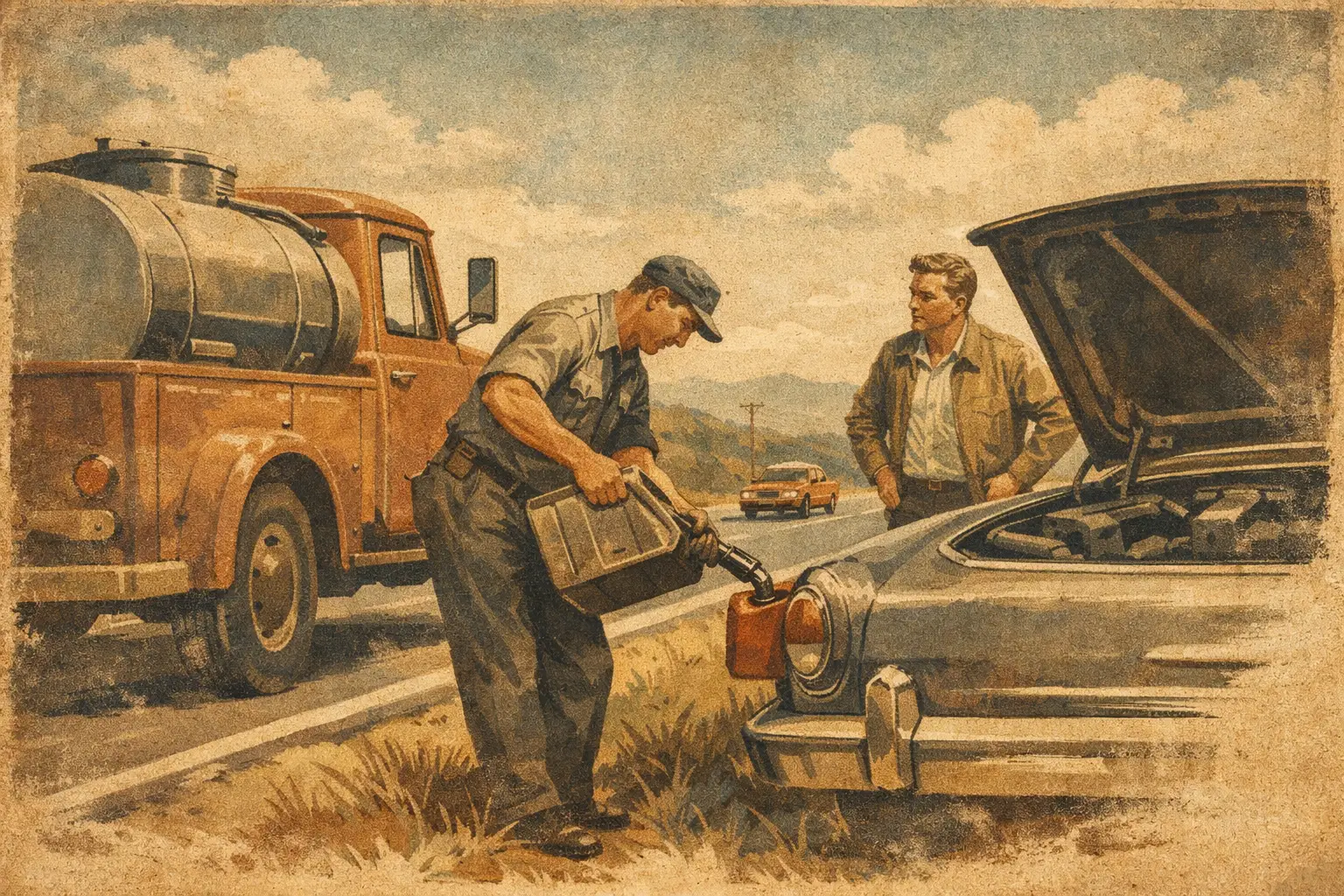
Roadside fuel delivery is a straightforward service. A recovery operator or breakdown provider brings enough fuel to get your vehicle moving again so you can reach the nearest petrol station safely. It is designed for urgent situations where your car has stopped or you know it will not make it any further.
Can fuel be delivered roadside in the UK?
Yes, fuel can often be delivered roadside in the UK, but availability depends on who you call, where you are, and the time of day. Not every breakdown company offers it as a standalone service, and some only provide it to members. Local recovery operators are often the quickest option because they can respond directly rather than routing everything through a national call centre.
That said, roadside fuel delivery is not unlimited and it is not the same as filling your tank. In most cases, the aim is to supply a small amount of petrol or diesel so you can restart the vehicle and drive to a filling station. It is a practical solution, not a mobile forecourt.
If you are in a live traffic lane, on a dangerous bend, or somewhere with restricted stopping rules, the response may also involve making the scene safe first. Sometimes recovery is the safer option than a simple fuel drop.
How roadside fuel delivery works
The process is usually simple. You call or message with your location, vehicle registration if available, and the type of fuel you need. The operator confirms whether they can attend, gives you a quote or estimated charge, and heads out with the correct fuel.
Once on scene, they will normally add a limited amount of fuel, check whether the vehicle starts, and make sure you can move off safely. If the car has been run completely dry, especially with a diesel, it may need more than just fuel added. Air can enter the system, and some vehicles need priming before they will restart properly.
This is one reason accuracy matters. If you are not sure whether your car takes petrol or diesel, check before anyone pours fuel into the tank. The wrong fuel problem is very different from an empty tank, and it can turn a quick roadside job into a more expensive recovery.
When fuel delivery is the right call
If your car has stopped because the tank is empty or nearly empty, roadside fuel delivery is usually the fastest fix. It saves the hassle of walking to a garage with a fuel can, which may not even be realistic if you are on a dual carriageway, out late, with children in the car, or far from the nearest station.
It is also useful if you are somewhere unfamiliar and do not want to leave the vehicle unattended. For many drivers, the real value is not just the fuel itself. It is the speed, convenience, and peace of mind of getting help sent to your exact location.
In Peterborough and the surrounding area, this kind of service can be particularly useful on early starts, evening commutes, and weekend journeys where local station opening times or distance become an issue. A direct-response recovery company can often deal with it quickly.
When it might not be that simple
There are cases where roadside fuel delivery is possible but not enough on its own. If the battery is flat as well as the tank being empty, the vehicle may still not start. If there is an engine fault, a damaged fuel line, or an issue with the fuel pump, adding fuel will not solve the real problem.
Diesel vehicles can be a bit more awkward after being run fully empty. Some restart without much trouble once fuel is added. Others need bleeding or priming. That depends on the vehicle design and how long it has been running dry.
There are also practical limits. If your vehicle is in a car park with height barriers, in a tight underground space, or stopped in a dangerous spot, access may affect the type of help that can be sent. Good operators will tell you that clearly rather than promising a quick fix they cannot safely deliver.
What to tell the operator when you call
The quicker you give the right details, the quicker the job usually moves. Your location matters most, especially if you are not near an obvious landmark. A postcode, road name, nearby junction, what3words location, or a pin on WhatsApp can help avoid delays.
You should also give the vehicle make and model if you know it, confirm whether it is petrol or diesel, and explain whether the vehicle stopped completely or is still able to roll into a safer place. If there are passengers with you, especially children, or if you feel unsafe where you are, say so straight away.
This is not about making the call complicated. It is about getting the right help sent first time.
How much does roadside fuel delivery cost?
The cost varies. It usually depends on call-out distance, time of day, how urgent the job is, and how much fuel is supplied. A local roadside company may be more flexible than a national provider, especially if you need help outside standard hours.
It is worth asking one direct question at the start: does the quoted price include the fuel itself, or just the attendance? Some providers charge a call-out fee plus fuel. Others give one total price. If your vehicle also needs a jump start, towing, or extra work to restart, that may affect the final cost too.
Cheap is not always best in a breakdown situation. Fast attendance, clear communication, and getting the problem solved properly are usually worth more than saving a small amount and waiting much longer.
Can fuel be delivered roadside at night or on weekends?
Often yes, but only if the provider runs a true 24/7 service. This is where local recovery firms can make a real difference. Fuel problems do not keep office hours, and neither do breakdowns.
If you need help late at night, early in the morning, or on a Sunday, look for an operator that already handles urgent roadside jobs rather than one that treats fuel delivery as an add-on. The response is usually quicker when emergency call-outs are part of the normal service.
Staying safe while you wait
If you have stopped somewhere safe, stay with the vehicle unless remaining there puts you at risk. Turn on your hazard lights. If it is dark, keep your mobile phone charged and make yourself visible if you need to get out of the car.
If you are on a motorway or a high-speed road, follow official safety guidance and move behind the barrier if it is safe to do so. In some situations, recovery support is safer than waiting beside the vehicle. The key point is not to try to solve a roadside fuel problem by putting yourself in danger.
Avoiding the same problem next time
Most empty tank incidents are not about carelessness. They happen when routine changes, traffic gets worse than expected, or a driver assumes there is a bit more range left than there really is. Fuel gauges are helpful, but they are not perfect, and estimated range can drop quickly in queues, cold weather, or stop-start driving.
A simple habit helps: once the warning light comes on, treat it as a prompt to fill up at the next sensible stop, not at the next convenient one. If you regularly drive in rural areas, late at night, or for work across long distances, leaving it too fine can quickly become a recovery job.
For drivers who use their vehicles for work, the bigger cost is usually lost time. Missing a job, delivery, or appointment is often more expensive than a tank of fuel. That is why quick roadside support matters.
If you are stuck and wondering can fuel be delivered roadside, the answer is usually yes – and fast help can turn a stressful stop into a short delay. The best next step is simple: stay safe, give your exact location, and get the right help moving your way.
Leave a Reply