July 18, 2026
Sell Scrap Car or Repair? Make the Right Call
Sell scrap car or repair? Compare repair costs, MOT risk and your car’s value, then arrange a fast…
Read article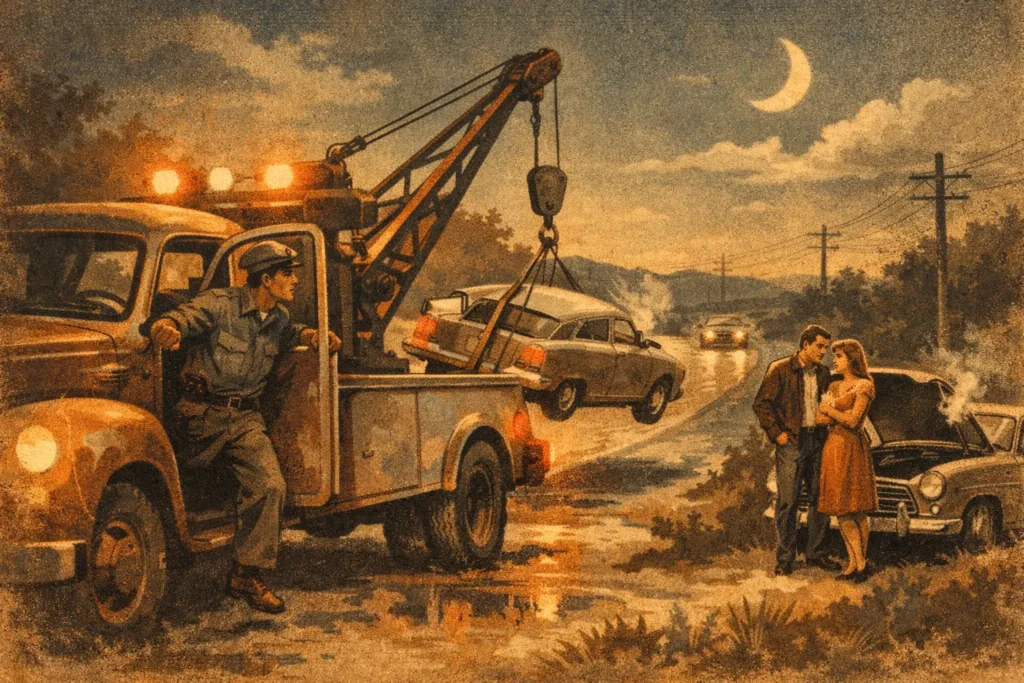
A car that will not start at 6am before work is one problem. A damaged vehicle blocking a road late at night is another. In both cases, 24 hour vehicle recovery is not a luxury service. It is the difference between getting the situation under control quickly or being left waiting, stressed, and unsure what to do next.
When people search for recovery, they are usually not in research mode. They need help now. The battery is flat, the tyre has gone, the steering feels wrong, or the vehicle simply will not move. That urgency changes what matters. You are not looking for fancy promises. You want a clear answer, a fair price, and someone who can actually turn up.
A lot of drivers assume recovery only means towing after a serious breakdown. In reality, the job is broader than that. A proper 24 hour vehicle recovery service may deal with non-starting cars, accident-damaged vehicles, vans that cannot be driven safely, flat batteries, fuel issues, and vehicles stuck at home, at work, or by the roadside.
Sometimes the fix is quick and the vehicle stays where it is. A jump start or fuel delivery may be enough. Other times, recovery is the safer option because the vehicle has a mechanical fault, wheel damage, electrical failure, or accident damage that makes driving risky. The right response depends on the condition of the vehicle, where it is located, and whether it can be moved without causing more damage.
That is why a direct, no-nonsense quote process matters. If you can explain the issue clearly and send details quickly, the operator can judge whether you need roadside help, full recovery, or transport to a garage, home address, or another destination.
Breakdowns rarely happen at a convenient time. They happen before school runs, after late shifts, in supermarket car parks, on dark roads, or halfway through weekend plans. Waiting until morning is not always realistic. In some situations it is not safe either.
A vehicle left in the wrong place can become a hazard or attract attention you do not want. If you are stranded with family members, elderly passengers, or young children, the pressure is even higher. Tradespeople and commuters also lose time and income if a van or car is off the road and no one can move it promptly.
Round-the-clock recovery removes that delay. It gives you a practical next step whatever time the problem starts. For local drivers in and around Peterborough, that can mean the difference between being back home quickly and spending hours trying to arrange help from multiple places.
There is a point where trying to force a solution wastes time. If the car will not start after one sensible check, if there is visible damage, if warning lights are showing, or if the vehicle feels unsafe to drive, stop guessing. Call recovery.
This is especially true after an accident. Even if the damage looks minor, wheel alignment, suspension, steering, or fluid leaks can make the vehicle unsafe. The same applies if a car has mounted a kerb, struck debris, or suffered a sudden mechanical failure. What seems drivable for a short distance can turn into a bigger repair bill very quickly.
There are also situations where the issue is not strictly a breakdown. A vehicle may be stuck on a driveway with seized brakes, no MOT, no tax, no battery power, or a fault that has been ignored too long to risk driving it. In those cases, recovery is really transport. The job is still urgent if you need the vehicle moved the same day.
The best recovery experience is straightforward. You contact someone, explain the problem, get a clear response, and know what happens next. That sounds basic, but when people are stressed, simplicity counts for a lot.
You should not have to chase for updates or explain the situation repeatedly. A dependable operator will ask the right questions early. Is the vehicle accessible? Are the wheels turning? Has it been in an accident? Is it parked on a main road, at home, or in a multistorey? Those details affect the equipment needed and the response time.
Communication also matters as much as the actual collection. Many drivers now prefer fast messages rather than long calls, especially if they are at work or dealing with children, traffic, or poor weather. WhatsApp and phone contact both work well because they cut down the back and forth and help get a booking confirmed quickly.
Recovery is one of those services where local knowledge still matters. A company covering Peterborough and surrounding postcodes can often respond faster because it knows the routes, traffic patterns, and common collection points. That practical advantage helps when every minute feels longer than it should.
It also helps with awkward jobs. Some vehicles are tucked into tight residential spaces, parked in underground areas, or broken down in places where access is not obvious. A local operator is more likely to understand the area and arrive prepared instead of losing time trying to work out basic logistics.
That does not mean every job will be immediate. Traffic, distance, weather, and the type of recovery all affect timing. But local coverage usually gives you a more realistic estimate and a better chance of same-day help.
This is where a lot of misunderstandings happen. Drivers often assume all recoveries are priced and handled the same way. They are not.
A simple non-runner collection from a driveway is usually more straightforward than an accident recovery on a busy road. A vehicle with free-rolling wheels is easier to load than one with steering lock, wheel damage, or severe front-end impact. A small hatchback is different from a van. A collection going five miles is different from one going across counties.
That is why good recovery firms ask for specifics instead of giving vague prices. It is not about making things difficult. It is about getting the right equipment out first time and avoiding delays when the operator arrives.
If you need 24 hour vehicle recovery, a few details can save time. Your exact location matters, especially at night or on newer estates where postcodes can be broad. The vehicle make and model helps too. So does a short description of what has happened.
If there is visible damage, say so. If the car is stuck in park, if a wheel is collapsed, or if the steering will not turn, mention it immediately. Photos can help if you are using WhatsApp. They give the operator a better sense of access, damage, and loading difficulty before setting off.
It also helps to know where you want the vehicle taken. If you are undecided between a garage, your home, or another address, say that early so the quote can be based on the actual job rather than guessed at.
A lot of customers use recovery for vehicles that are not part of an emergency at all. A car may have been sitting unused for months and now will not start. Someone may need a vehicle moved after buying it without tax or insurance for the road. An unwanted car may need collecting before it goes for scrap. A damaged vehicle may need shifting before repairs are assessed.
That overlap between urgent recovery and planned transport is useful. It means one service can handle the roadside panic and the practical follow-up. If a vehicle is beyond repair or simply not worth fixing, moving it for disposal can be the next step instead of letting it sit and take up space.
When you are stranded, every company sounds quick online. The difference is whether they make the next ten minutes easier or harder. Look for clear communication, realistic arrival windows, straightforward quoting, and someone willing to ask the right questions rather than giving generic answers.
That practical approach is what most drivers need. Not sales talk. Not confusion. Just a fast route from problem to collection.
If you are stuck and need help now, 24 hour vehicle recovery should do exactly what the name suggests – respond when the problem happens, not when it suits the diary. A good service gets your vehicle moved safely, keeps the process simple, and gives you one less thing to worry about on a bad day.
Need recovery right now?
WhatsApp Us
Sell scrap car or repair? Compare repair costs, MOT risk and your car’s value, then arrange a fast…
Read article
Need to know how to get a jump start? Follow safe steps, spot battery faults and get fast…
Read article
Use this guide to car transport booking to arrange safe vehicle collection, get an accurate quote and avoid…
Read article