June 27, 2026
Jump Start or Battery Replacement?
Not sure if you need a jump start or battery replacement? Learn the signs, what to try first,…
Read article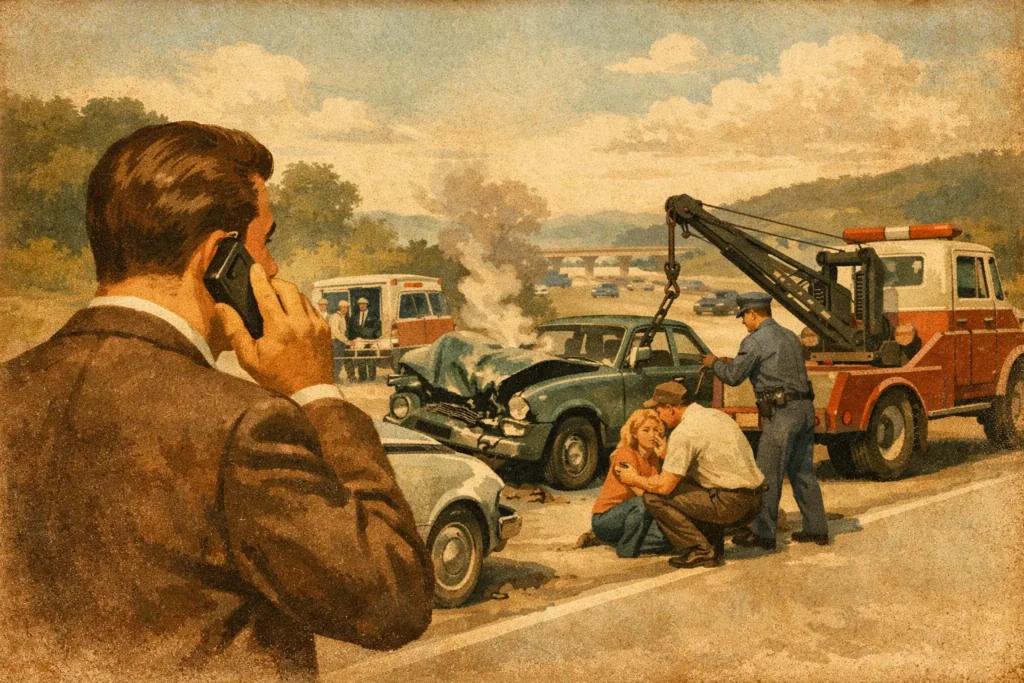
The hard part after a collision is not always the impact. It is the next ten minutes, when the car will not move, traffic is building, and you need to work out how to arrange accident recovery without wasting time or making the situation worse.
If everyone is safe and any urgent medical help has been dealt with, the next job is simple – get the vehicle recovered properly. That means choosing a recovery operator who can collect a damaged or immobilised car, asking the right questions, and giving clear information so there are no delays when help arrives. In practice, speed matters, but so does accuracy.
Start with the basics. Before you call or message anyone, make sure the vehicle is in a safe position if it can be moved legally and safely. If it cannot be moved, keep well clear of traffic and follow police or highway instructions where needed. Recovery should never come before safety.
Once that is covered, contact a recovery company and give the key details straight away. The best approach is to be direct. Say where the car is, what has happened, and whether the vehicle can roll and steer. Those last two points make a big difference, because a car with wheel damage, suspension damage or locked steering may need specialist loading rather than a standard tow.
A fast booking usually depends on how clear your first message is. If you are calling from the roadside, have your registration number ready, your exact location, and a short description of the damage. If you are messaging on WhatsApp, sending a few photos can help the operator judge the condition of the vehicle and dispatch the right lorry first time.
When people ask how to arrange accident recovery, they often assume the main detail is the crash itself. In reality, the condition of the vehicle after the crash is just as important.
The operator will usually need your exact pickup point, where the car needs to go, the make and model if possible, and whether the vehicle starts. They will also need to know if any wheels are damaged, whether the steering is affected, and if the car is stuck against a kerb, in a ditch, or in a tight car park space. These details affect the equipment needed and the loading time.
If the vehicle is leaking fluids or has heavy front or rear damage, say so early. It does not always stop recovery, but it may change how the vehicle is handled. The same applies if the airbags have deployed or if the handbrake is stuck on. None of this is unusual after an accident, but it is better to mention it upfront than have the wrong vehicle turn up.
You should also tell the recovery company if you are waiting with the vehicle or leaving it at the scene. Sometimes drivers need the car taken to a garage, home address, body shop, storage site or another safe location while insurance is sorted. There is no single right destination. It depends on the damage, your insurer, and whether the car is likely to be repaired.
Not every recovery job is the same. A non-starting car on a driveway is one thing. A damaged car with bent suspension after a road traffic accident is another.
That is why it helps to use a company that handles accident recovery as a routine service, not just basic breakdowns. The difference is practical. Accident-damaged vehicles often need more careful loading, more accurate arrival information, and more attention to where the vehicle is being taken next.
A good recovery service should be clear about response times, pricing, and whether they can collect from your exact location. If you are in Peterborough or nearby, local coverage can save time because the driver is more likely to know the roads, traffic pinch points, and common collection spots. That matters when you are stood at the roadside trying to get the car moved quickly.
Price matters too, but cheapest is not always best if the vehicle is badly damaged. A low quote is no use if the operator arrives without the right equipment or cannot load the car safely. Ask what type of recovery vehicle they are sending and whether they can handle a car that will not roll, steer, or start.
This is where many drivers pause. After the car has been collected, where exactly should it be taken?
If the damage looks minor and you already know which garage will inspect it, direct recovery there can be the quickest route. If it is late at night or over a weekend, taking the vehicle home or to a secure holding location may be more practical. If the car is not worth repairing, you may decide to move it once and then arrange disposal later rather than paying for multiple moves.
There is no automatic answer because every accident is different. A newer car with cosmetic damage may go one way. An older car with heavy structural damage may not. The key thing is to choose a destination before the recovery lorry arrives if you can. That cuts down waiting time and avoids making a rushed decision at the roadside.
Once the booking is made, keep your phone close and stay available. Recovery operators sometimes need to confirm your position, especially if you are on a lay-by, side road, retail car park, or a newer estate where postcodes are not always precise.
If it is safe, remove any valuables and essential items from the vehicle. That could include your wallet, keys, work equipment, medication, house keys, and insurance documents. Do not start emptying the car into the road if traffic is close or conditions are poor. Use common sense.
If the police, highways officers, or property owners have given instructions about the vehicle, pass that on to the recovery company. The more joined up the communication is, the smoother the collection tends to be. Delays usually happen when the recovery driver arrives and finds access restrictions, parking barriers, locked compounds, or a vehicle that is more badly damaged than first described.
The biggest mistake is vague location information. Saying you are near a roundabout or outside a shop is not always enough, especially at night. Share a pin, a postcode, road name, landmark, or what3words location if you have it.
The second is underplaying the damage. Drivers often say the car just needs towing, then it turns out a wheel has collapsed or the steering is jammed. That is not a problem if the operator knows in advance. It becomes a problem when they do not.
Another common issue is not deciding where the vehicle should go. If you wait until the lorry arrives to ring around garages or ask family members for advice, the whole job slows down. Even a temporary destination is better than no plan at all.
Finally, do not assume your insurer is the only route to getting the car moved. Sometimes you simply need the vehicle collected quickly and taken somewhere safe, then you can deal with the next steps afterwards. It depends on your policy and your circumstances, but urgent recovery and later admin are not always the same job.
The quickest accident recoveries usually happen when the driver keeps things simple. Give an exact location, be honest about the condition of the car, send photos if asked, and state clearly where the vehicle needs to go. If you want updates by phone or WhatsApp, say that too.
For local drivers, a responsive recovery company with 24/7 availability can remove a lot of stress from the situation. Car Recovery Peterborough handles this in a straightforward way – fast quotes, clear communication, and collection for damaged or immobilised vehicles when you need the car moved without fuss.
Accidents are stressful enough without chasing vague arrival times or repeating the same information three times. The best recovery service keeps it practical, tells you what they need, and gets the vehicle moved safely.
If you remember one thing, make it this: the fastest way to sort accident recovery is not to know every technical detail, but to give clear information early and choose a recovery operator who can act on it straight away.
Need recovery right now?
WhatsApp Us
Not sure if you need a jump start or battery replacement? Learn the signs, what to try first,…
Read article
Car transport process explained clearly, from quote to delivery. Know what to expect, how pricing works, and how…
Read article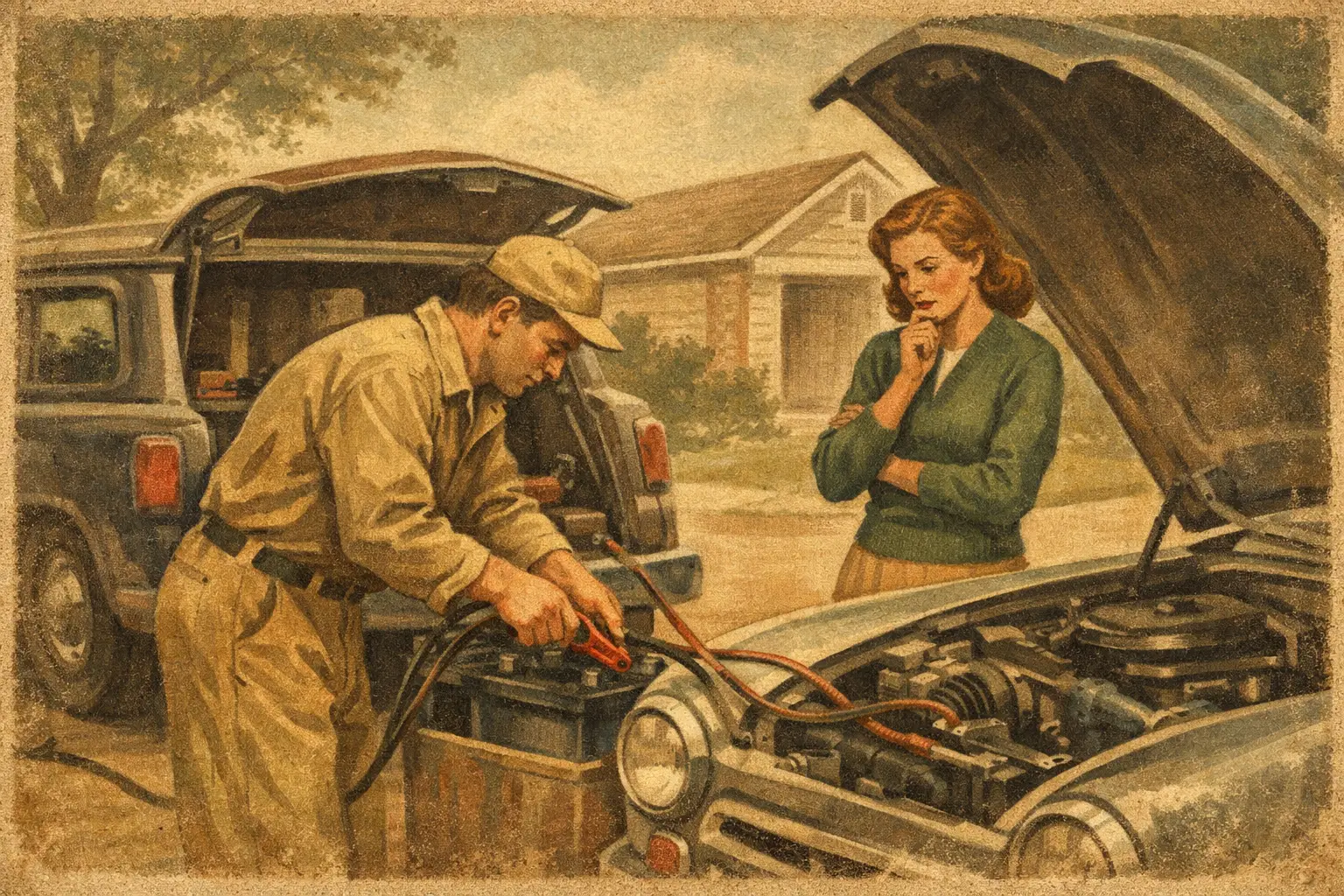
Need a flat battery home visit example? See what happens on a callout, how long it takes, what…
Read article