You turn the key, press the start button, and get nothing useful back – maybe a slow crank, a click, or just silence. That is when most drivers ask the same question: do I need a jump start or battery replacement? The answer depends on what the car is doing, how old the battery is, and whether the problem is really the battery at all.
When a vehicle will not start, guessing can waste time. A jump start might get you moving again in minutes, but if the battery has reached the end of its life, the problem will come straight back. On the other hand, replacing a battery too early means paying for a part you may not have needed yet. The key is knowing the signs.
Jump start or battery replacement – what is the difference?
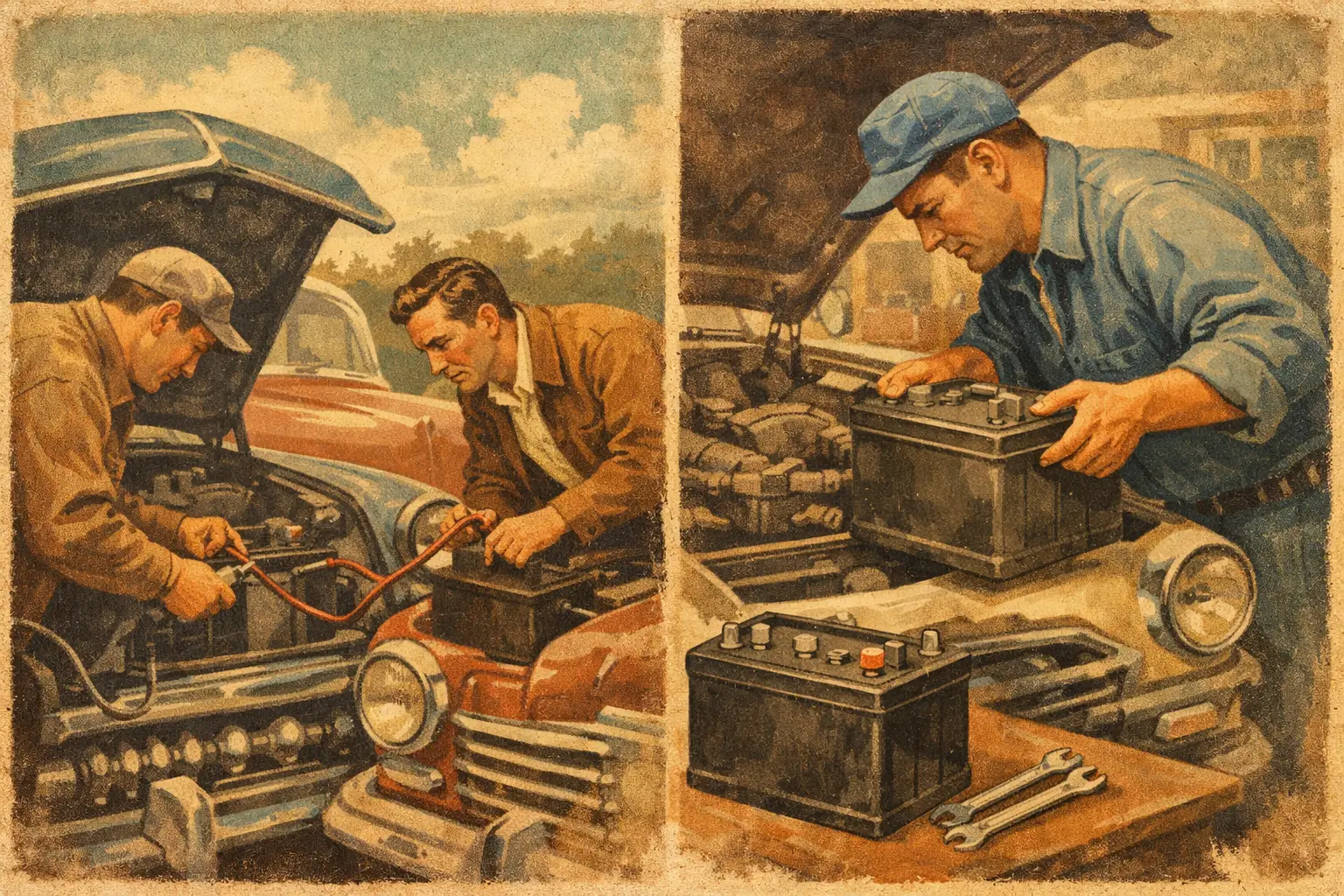
A jump start is a temporary way to get enough power into a flat battery so the engine can start. It helps when the battery has been drained by something like leaving the lights on, a car standing unused for too long, cold weather, or repeated short journeys that never let it recharge properly.
A battery replacement is needed when the battery can no longer hold charge properly or deliver enough power, even after it has been boosted or charged. Car batteries wear out over time. Most do not fail all at once without warning, but many drivers only notice the issue when the car refuses to start on a busy morning.
That is why the real question is not just whether the car starts after a boost. It is whether the battery can still do its job once that external help is removed.
Signs a jump start may be enough
If the battery has gone flat for a clear reason, a jump start can be the right first step. A common example is leaving an interior light on overnight or not driving the car for a week or two. In those cases, the battery may still be healthy but simply discharged.
You may also only need a jump start if the engine was starting normally before this incident and there have been no recent warning signs. If the lights, dashboard and electrical systems come back to life strongly after boosting, and the car starts and restarts normally after a decent run, the battery may still have some life left in it.
Cold mornings can also make a decent battery seem worse than it is. Low temperatures reduce battery performance, especially on older vehicles and diesels. Sometimes a boost is enough to get you moving, but cold weather can also expose a battery that was already on its way out.
The trade-off is simple. A jump start is fast and often cheaper in the moment, but it does not fix an ageing battery. If the battery is weak rather than just flat, you may be calling for help again very soon.
Signs you probably need battery replacement
If you have needed more than one jump start in a short period, the battery is a strong suspect. A healthy battery should not keep going flat without a reason. Repeated failure usually means it is no longer holding charge properly.
Slow cranking is another warning sign. If the engine turns over sluggishly, especially first thing in the morning, that often points to a weakening battery. Dim headlights before starting, flickering dash lights, or electrical systems behaving oddly can also be part of the same picture.
Battery age matters too. If your battery is four or five years old, replacement is often more sensible than relying on another temporary boost. Some last longer, some fail earlier, but once a battery gets into that age range, reliability drops.
Visible damage is another clear sign. If the battery case looks swollen, cracked, or is leaking, do not keep trying to revive it. The same applies if there is heavy corrosion around the terminals and the battery continues to struggle even after cleaning and checking the connections.
If the car starts after a jump but then will not restart after a short stop, battery replacement is often the next step. That usually means the battery accepted enough power to start the engine once, but could not store enough charge to do it again.
When it might not be the battery
Not every non-start is a battery problem. That is where some drivers spend money on a replacement and still end up stranded.
If you hear a single click or a rapid clicking noise, the battery may be weak, but poor terminal connections can cause the same symptom. If the dashboard lights are bright but the engine still will not crank, the issue could be the starter motor. If the engine turns over well but will not actually fire up, the fault may be fuel, ignition, or an immobiliser issue rather than battery condition.
A charging fault can also flatten a good battery. If the alternator is not charging properly while you drive, a jump start may get the engine running, but the battery will drain again because it is not being replenished. In that situation, battery replacement on its own will not solve much.
That is why context matters. One flat battery after leaving the radio on is very different from repeated failures with no obvious cause.
How to decide at the roadside
Start with the basics. Think about what happened before the fault. Was anything left on? Has the car been sitting unused? Has it been harder to start over the last few weeks? How old is the battery? Those clues matter.
If there is a clear reason for the battery going flat and no recent history of weak starting, a jump start is usually a sensible first move. If the battery is old, the starting has been poor for days, or the car has already needed boosting recently, replacement is more likely.
If you do get the car started, pay attention to what happens next. A healthy system should let the car restart after a proper drive. If it does not, that points away from a one-off discharge and towards battery failure or a charging problem.
For many drivers, the deciding factor is risk. If you are due at work, collecting the kids, or parked somewhere awkward, a temporary fix may not be enough reassurance. In that case, getting the battery checked and changing it if needed can save a second breakdown later the same day.
Why repeated jump starts are a bad plan
A jump start is useful. Relying on one is not.
Repeated boosting puts you in a cycle where the car may start for now but remain unreliable. That can leave you stranded at the supermarket, outside work, or late at night when you least want the hassle. If the battery is failing internally, more jump starts will not restore it.
There is also the practical side. Every failed start costs time and stress. For tradespeople, missed jobs mean lost money. For families, it means disrupted plans. For anyone commuting, it means a bad morning becoming worse very quickly.
If the same issue keeps returning, the sensible option is to stop treating it as a one-off.
Jump start or battery replacement in cold weather
Winter catches a lot of batteries out. Lower temperatures reduce the chemical reaction inside the battery, so it has less cranking power just when the engine needs more effort to start. That is why marginal batteries often fail on the first frosty morning.
In those conditions, a jump start may get you going, but an older battery that struggles in winter is unlikely to become more dependable as the season goes on. If the battery is already near the end of its service life, cold weather often settles the question for you.
This is especially true if you mainly do short local trips. The battery may never get enough time to recharge fully between starts, which makes winter performance even worse.
When calling for help makes more sense
If you are unsure, forcing the issue can make things harder. Using jump leads incorrectly can damage electrical systems or create safety risks. It also does nothing to confirm whether the battery is flat, failed, or being drained by another fault.
Professional roadside help is often the quickest route because the goal is not just getting the engine running once. It is working out whether a jump start is likely to hold or whether battery replacement is the better call. For drivers in Peterborough, that matters when time is tight and you need a clear answer rather than trial and error.
A practical recovery service can assess the symptoms, get you moving if a boost is enough, and help you avoid wasting money if the real problem lies elsewhere. That is usually better than buying a battery on a hunch.
If your car will not start today, think beyond the next five minutes. The right choice between jump start or battery replacement is the one that gets you moving now and leaves you confident the car will start again when you need it.
Leave a Reply