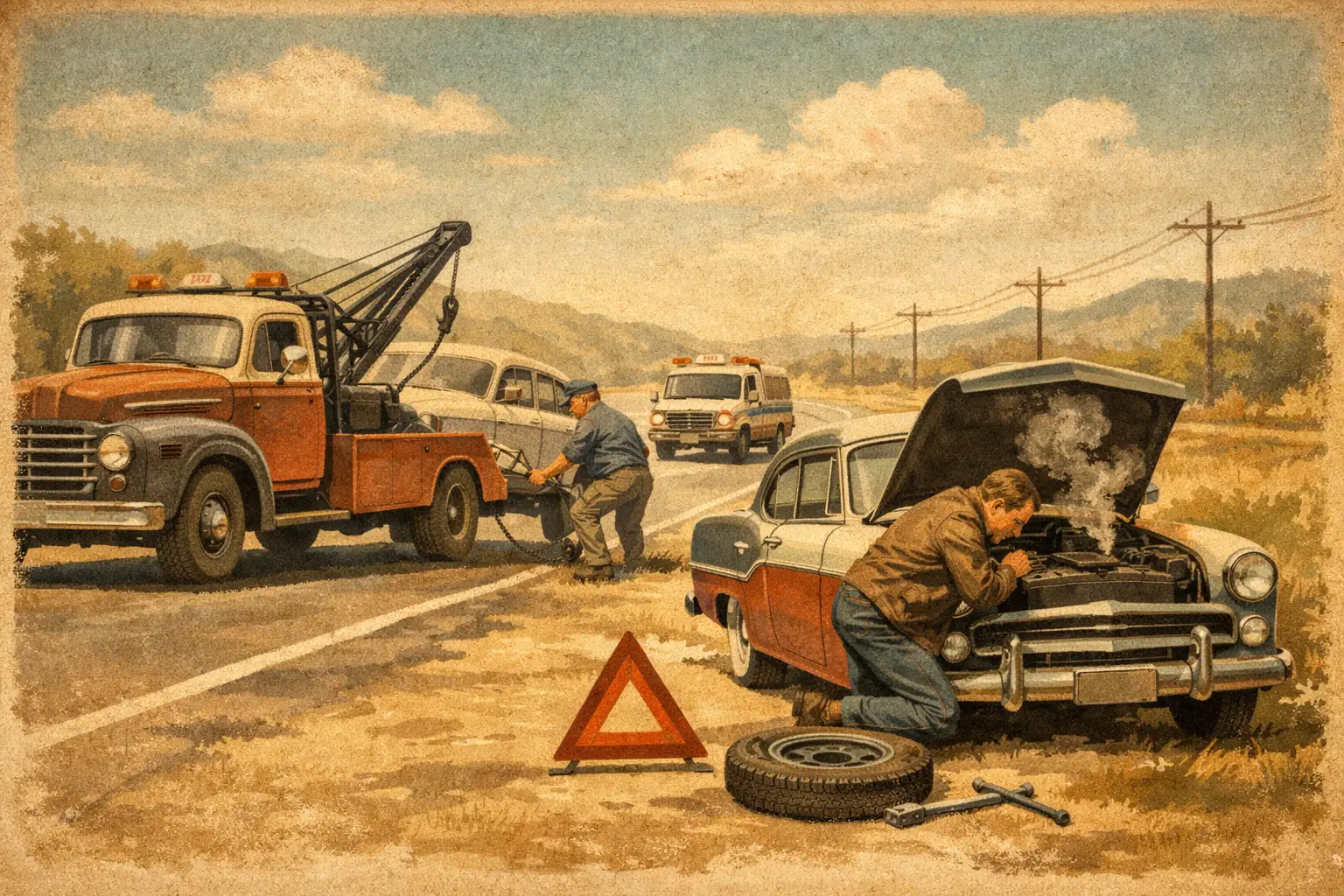
A flat battery at home needs one kind of help. A car stranded on a busy road with steering damage needs another. That is why the best roadside recovery options are not all the same. The right choice depends on where the vehicle is, what has failed, how quickly you need it moved, and whether it can be repaired there and then.
When people search for recovery, they often just want the problem gone fast. Fair enough. But there is a real difference between breakdown assistance, full vehicle recovery, accident recovery, and transport for a car that is not being driven at all. Picking the wrong service can waste time, add cost, and leave you waiting longer than you need to.
What counts as the best roadside recovery options?
The best option is the one that matches the fault, the location, and the condition of the vehicle. If your battery is dead outside your house, a jump start is usually quicker and cheaper than arranging a full tow. If you have broken down in traffic, speed and safe removal matter more than anything else. If the car has wheel, suspension, or steering damage, it may need specialist loading rather than a basic tow.
That sounds obvious, but in a stressful moment most drivers are not thinking about service type. They are thinking about getting home, getting to work, or getting the vehicle to a garage without more hassle. A good recovery service keeps that simple. Clear contact, fast quotes, realistic arrival times, and the right equipment matter more than fancy wording.
Best roadside recovery options for common breakdowns
Breakdown assistance for simple faults
This is often the fastest route when the issue might be fixed on the spot. Common examples are flat batteries, minor electrical faults, empty fuel tanks, or a vehicle that needs a basic check before it can move again. If the car can be made roadworthy safely, roadside assistance saves the extra step of taking it away.
The trade-off is that not every fault is a roadside fix. If the starter motor has failed, the tyre damage is severe, or the engine has overheated badly, a quick attendance may turn into a recovery job anyway. That is not a problem if the operator handles both, but it is worth describing the issue clearly when you call.
Vehicle recovery for non-starting or immobilised cars
If the car will not start, will not drive, or is unsafe to move under its own power, full recovery is usually the better choice. This is the service most people mean when they say they need towing, though in practice proper vehicle transport is often safer than a simple tow.
Recovery is usually the best option for mechanical failure, gearbox issues, clutch problems, snapped springs, damaged wheels, or anything that leaves the vehicle stuck. It is also the sensible choice if you are in a place where waiting around is a problem, such as a roadside, a car park with restrictions, or outside a workplace.
Accident recovery when the car is damaged
After a collision, the priority is safe removal. Even when the damage looks minor, the car may not be fit to drive. Bent suspension, punctured radiators, damaged tracking, or bodywork rubbing on a wheel can all make a short drive a bad idea.
Accident recovery needs a calm, practical approach. The best service is not just the fastest one. It is the one that can collect the vehicle without causing more damage and get it where it needs to go, whether that is home, a garage, or a storage location.
Car transport for planned moves
Not every recovery job starts with a breakdown. Sometimes a vehicle needs moving because it is unroadworthy, untaxed, sold, bought, or awaiting repair. In those cases, scheduled transport is often the right answer.
This can be useful for project cars, non-runners, vehicles with expired MOTs, or cars being moved between home and a repairer. It is less urgent than roadside breakdown work, but it still needs proper handling and clear timing.
How to choose between local recovery and national cover
For many drivers, this is where the real decision sits. National breakdown cover can be useful if you travel long distances regularly and want a membership model. It may suit commuters, company car drivers, or families doing a lot of motorway miles.
But local recovery can be the better option when the problem is immediate and location-specific. A local operator often has an advantage on response time, knows the roads, and can give a direct answer rather than routing everything through a call centre. If you are broken down in or around Peterborough, that local knowledge can make a difference when access is awkward or the vehicle is stuck in a residential street, retail car park, or lay-by.
The downside with some membership schemes is that the service you expect is not always the service you get on the day. There can be call handling delays, contractor availability issues, or restrictions on what is covered. That does not mean cover is a bad idea. It just means a direct local recovery service can be the quicker and simpler route when you need action now.
What matters most when comparing roadside recovery options
Response time is usually the first thing people ask about, and rightly so. If you are stranded, every extra minute feels longer. But speed on its own is not enough. You also want accurate updates, because there is a big difference between a realistic arrival time and vague promises.
The next factor is equipment. A standard non-start is straightforward. A damaged car with locked wheels, steering issues, or accident damage is not. The best recovery options are the ones that can handle difficult vehicles properly rather than turning up and discovering the job is more complex than expected.
Price matters too, but the cheapest quote is not always the best value. Ask what is included. Does the quote cover loading, mileage, drop-off, and difficult access? Is it a roadside attendance only, or full transport to your chosen location? Simple pricing and clear communication usually tell you a lot about the standard of service.
Then there is convenience. In a breakdown, nobody wants a long back-and-forth. Fast contact by phone or WhatsApp, a quick quote, and straightforward booking remove a lot of stress. That is often what separates a useful service from one that feels hard work.
When a quick fix is enough and when recovery is safer
Drivers sometimes try to save money by pushing for the smallest job possible. Sometimes that works. If the battery is flat because the lights were left on, a jump start may sort it. If you have run out of fuel, a fuel delivery can get you moving again.
But there are times when forcing a roadside fix is the wrong call. Repeatedly trying to start a damaged vehicle can make things worse. Driving a car with suspected suspension damage, overheating, or braking issues is rarely worth the risk. The better option is recovery to a garage where the fault can be checked properly.
This is where honest advice matters. A dependable operator should tell you when a quick solution is realistic and when transport is the safer bet.
Best roadside recovery options for older, damaged, or unwanted vehicles
Some vehicles do not need roadside repair at all. They need collecting because they are at the end of the road, uneconomical to fix, or no longer wanted. In those cases, recovery and scrap collection can overlap.
That is especially useful if the vehicle is a non-runner sitting on a drive, parked at a garage, or stuck after a failed MOT. Instead of arranging one service to move it and another to dispose of it, some operators can help with both sides of the job. For the owner, that means less chasing around and a faster result.
Getting the right help faster
The quickest way to get the right service is to give clear details straight away. Say whether the vehicle starts, whether it rolls freely, whether there is accident damage, and where it needs to go. Mention if it is in a tight space, underground car park, or on a busy road. Those details affect the job more than people think.
Photos can help as well, especially for damaged or awkward vehicles. A fast message with the make, model, postcode, fault, and a couple of pictures usually gets you a more accurate quote and a better idea of what is possible.
For drivers in and around Peterborough, Car Recovery Peterborough is built around that direct-response approach, which is exactly what matters when the vehicle is off the road and you need a practical answer quickly.
The best roadside recovery option is rarely about picking the biggest name. It is about getting the right help for the actual problem, without delays, confusion, or extra hassle when you can least afford it.
Leave a Reply