A car with a locked wheel is not just inconvenient. It changes the whole recovery job. What might have been a quick tow becomes a situation that needs the right equipment, the right loading method, and a recovery operator who knows how to move an immobilised vehicle without causing more damage. That is exactly where locked wheel vehicle recovery matters.
For most drivers, the problem shows up without much warning. You try to move off and the car will not roll. Or after a bump, one wheel is jammed at an angle and drags across the road. In some cases the handbrake has seized after the car has been left standing. In others, a failed brake caliper, damaged suspension, collapsed wheel bearing or steering fault is the reason. The common point is simple – the vehicle cannot be driven safely, and forcing it usually makes things worse.
What counts as locked wheel vehicle recovery?
Locked wheel vehicle recovery is the safe transport of a vehicle when one or more wheels will not rotate freely. That could mean a wheel is physically jammed, the steering is stuck in a way that stops movement, or accident damage has left the car unable to roll normally.
This is different from a standard breakdown tow. A non-starting car with free-rolling wheels is usually straightforward to winch onto a recovery lorry. A vehicle with a locked wheel needs more care. The loading angle, pull direction and support under the damaged corner all matter. If the wrong method is used, tyres can be shredded, suspension can be bent further, and bodywork can suffer unnecessary damage.
That is why recovery firms ask specific questions when you call. Can the car roll at all? Is the steering straight? Has there been an accident? Is it stuck in a car park, at home, or on the roadside? Those details affect what vehicle and kit need to be sent.
Why wheels lock in the first place
There is no single cause, and that matters because the fault affects how the vehicle should be moved.
A seized brake is one of the most common reasons. Brake calipers can stick, especially if a vehicle has sat unused for a while or if corrosion has built up. Rear brakes can also bind when the handbrake mechanism fails to release properly. The wheel may feel completely stuck or only move with a heavy drag.
Accident damage is another major cause. A collision can push a wheel out of alignment, damage a hub, bend suspension arms or jam steering components. Even a low-speed impact with a kerb can cause enough damage to stop a wheel turning properly.
Mechanical failure can do the same. A collapsed bearing, broken driveshaft, gearbox issue or severe tyre damage can leave the car effectively immobile. Sometimes the wheel itself is not technically locked, but it is unsafe to roll because it is leaning, rubbing or only just attached correctly.
Then there are parking-related issues. Electronic handbrakes can fail, steering locks can cause complications, and long-stored vehicles often develop seized brakes. These are common jobs for residential collections, especially when someone needs a car moved from a driveway, garage or private parking area.
How a recovery operator moves a car with locked wheels
The basic goal is simple – get the vehicle onto the lorry with as little strain and as little risk as possible. The method depends on the condition of the wheel, where the vehicle is positioned, and how much room there is to work.
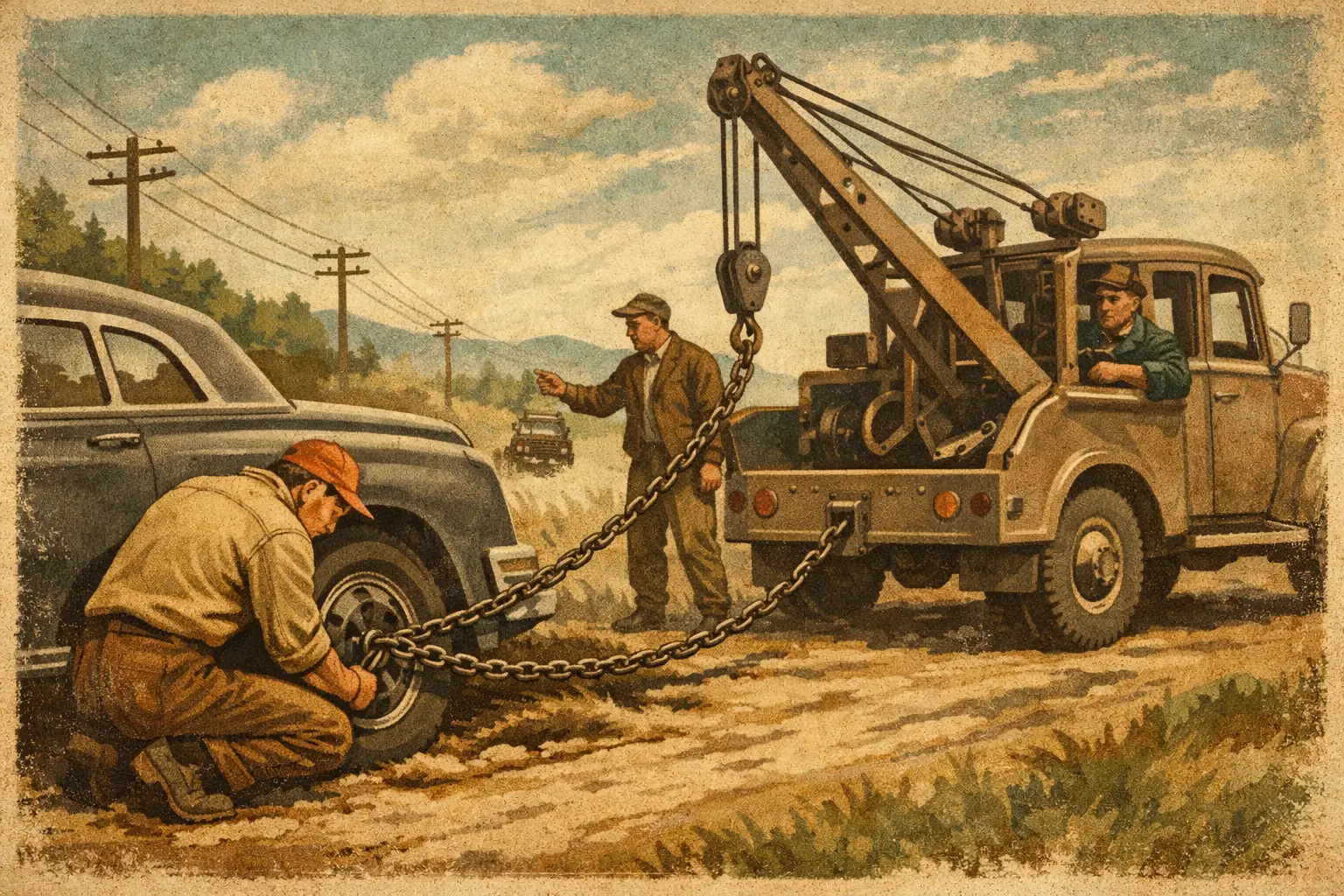
In many cases, the vehicle is winched carefully onto a flatbed lorry using skates or dollies under the locked wheel. These let the damaged or seized wheel slide or roll in a controlled way rather than dragging directly on the ground. If the steering is damaged as well, positioning becomes more precise because the vehicle may not track straight during loading.
Sometimes extra clearance is needed to avoid scraping bumpers or undertrays, especially on lower cars. In tighter spaces, such as multi-car driveways or narrow residential roads, the operator may need to adjust the lorry angle and loading path before the car can be moved safely.
This is why speed matters, but so does patience. A good recovery operator will work quickly without rushing the risky part. Locked wheel jobs are often about controlled handling, not brute force.
When not to force the car to move
Drivers often try the obvious things first. Release the handbrake, rock the car slightly, turn the steering, try reverse instead of first gear. Fair enough. But once it is clear the wheel is not freeing up, stop there.
Trying to drag or drive a car with a locked wheel can turn one fault into several. Tyres can be destroyed within minutes. Brake parts can overheat. Suspension damage can become worse. If the wheel is jammed because of an accident, forcing movement may also make the vehicle less stable and harder to recover afterwards.
The same applies if another driver offers to tow you with a rope. That might sound like the cheap option, but it is rarely the safe one when a wheel will not rotate properly. A proper recovery vehicle is built for controlled loading. A rope tow is not.
Locked wheel recovery after an accident
Post-accident recovery is one of the most common times this issue comes up. A car may still start, but that does not mean it should be driven. If the wheel is twisted, rubbing, bent inward or sitting at an odd angle, it needs recovery, not a short drive home.
The risk here is not just more damage to the car. A compromised wheel or suspension component can fail completely if the vehicle is moved under its own power. That puts the driver, passengers and other road users at risk.
In those situations, locked wheel vehicle recovery is about getting the vehicle off the road and to a safe destination without adding another problem to the day. Depending on the condition of the car, that destination may be a garage, home address, body shop or storage site.
What to tell a recovery company
If you need help, a few clear details can save time. Say whether the car rolls at all, which wheel is affected if you know, whether the steering is straight, and if the issue followed a breakdown or a collision. Mention if the vehicle is in a difficult location such as a basement car park, a busy road or a narrow driveway.
Photos can help too, particularly for accident damage or awkward access. Many customers now send pictures over WhatsApp because it speeds up quoting and helps confirm the right recovery setup before the operator arrives.
You do not need to diagnose the fault. Just explain what the car is doing – or not doing. A practical recovery team will work from that.
Why local response makes a difference
When a wheel is locked, waiting around is more than frustrating. It can leave the car blocking access, stuck in a dangerous position or stranded where parking restrictions are an issue. A fast local response cuts down the stress and gets the vehicle moved before the situation becomes more expensive or more awkward.
That is especially true for home collections and roadside jobs around Peterborough, where a quick answer and clear arrival time matter as much as the actual recovery. Most customers in this situation are not looking for a long technical explanation. They want to know two things – can you move it, and how soon can you get here?
That is the value of a no-fuss service. Clear quote, quick contact, proper equipment, job done.
The cost question
Locked wheel recovery can cost more than a basic tow, and that is not just pricing for the sake of it. The job often takes longer, needs extra equipment and involves more care during loading. If access is tight, if the vehicle is badly damaged, or if more than one wheel is affected, the recovery becomes more complex.
That said, paying for the right recovery first time is usually cheaper than causing extra damage by trying to shift the car the wrong way. It is one of those jobs where the lowest quote is not always the best value if it does not include the right method.
A sensible next step
If your car will not roll, do not guess and do not force it. Locked wheel problems are exactly the kind of issue that need proper recovery rather than a quick workaround. The fastest fix is often getting the vehicle moved safely, then letting a garage inspect the cause properly.
When the car is stuck and the wheel will not turn, the best next move is usually the simplest one – get it recovered properly and take the stress out of the situation.

Leave a Reply