May 4, 2026
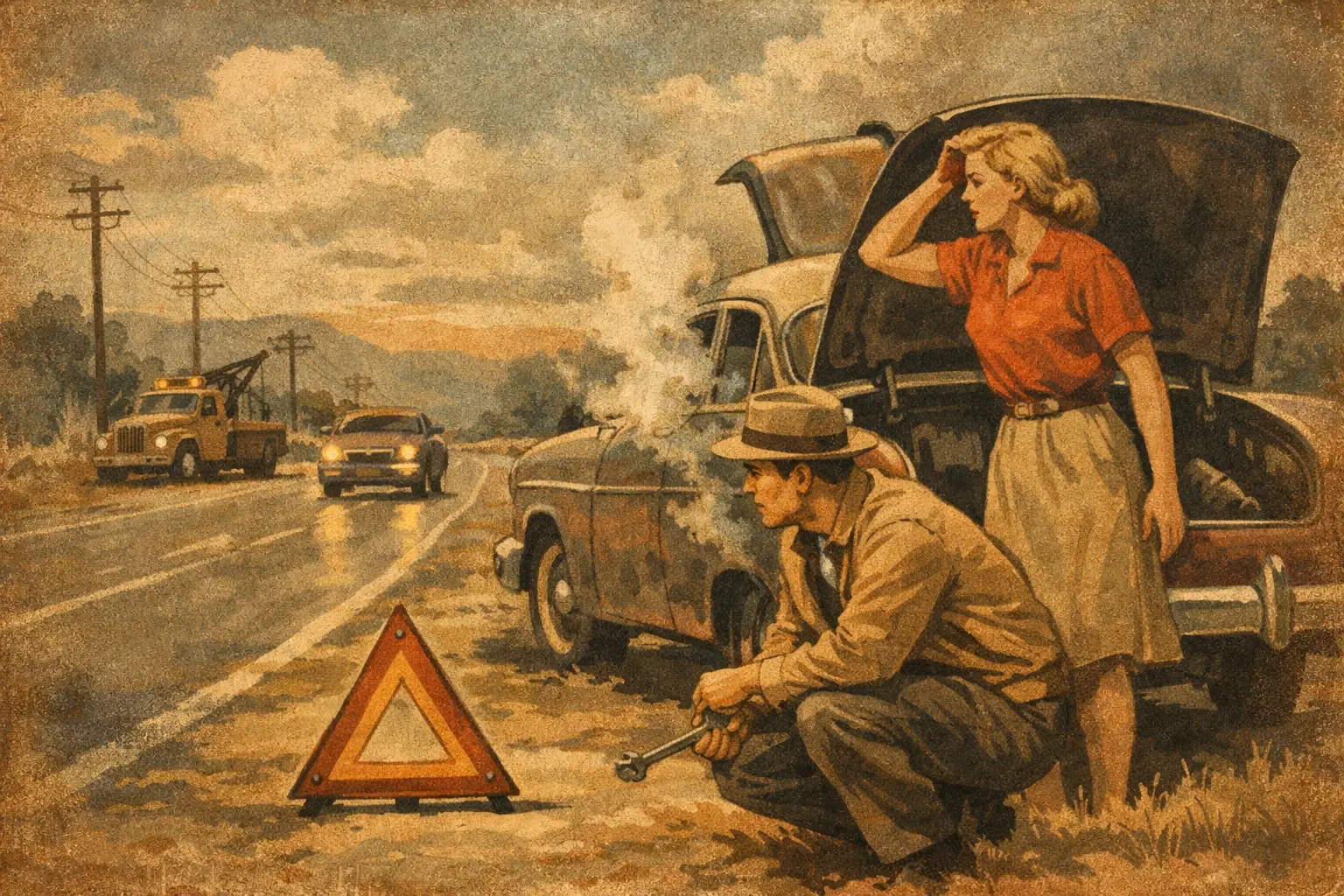
How to Handle Roadside Breakdown Safely
Learn how to handle roadside breakdown safely, from pulling over and staying visible to calling for help and…
Read article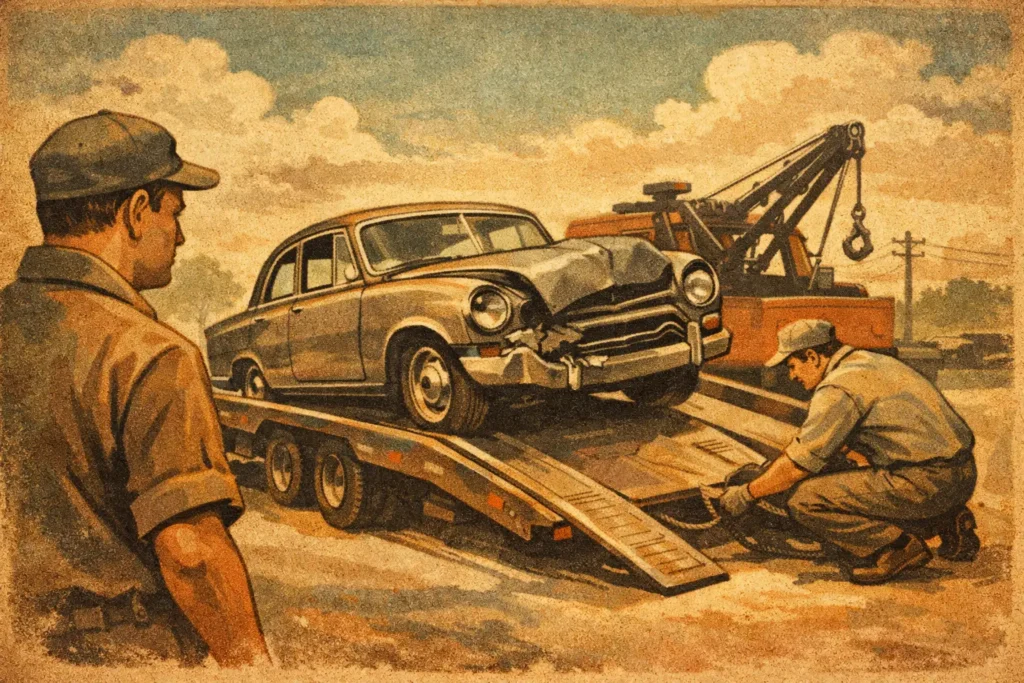
A damaged car can go from inconvenience to hazard in minutes. If a wheel is bent, the steering is off, or the car will not start after an accident or breakdown, trying to force it home often makes things worse. In most cases, the best way to move damaged car safely is not to drive it at all, but to recover it properly based on the type and severity of the damage.
That sounds straightforward, but the right method depends on what has actually failed. A car with a flat battery is one thing. A car with suspension damage, locked wheels or fluid leaking onto the road is another. The safest option is usually the one that prevents further damage, keeps other road users safe and gets the vehicle loaded and transported without guesswork.
The first question is simple – is the car still safe to roll, steer and brake? If the answer is no, it should not be towed casually with a rope or pushed for any real distance. Damage is not always obvious after a collision or sudden mechanical failure. A cracked alloy, bent track rod or damaged underbody can turn a short move into a much bigger repair bill.
It also matters where the car is. A vehicle stranded on a busy road, roundabout approach or narrow residential street needs a different response from one sitting on a private drive. On the roadside, speed and visibility matter. Off-road or on private land, access and loading angle may be the main issue.
Then there is the condition of the vehicle itself. Some damaged cars can still be winched smoothly onto a recovery lorry. Others need skates, specialist loading equipment or extra care because the wheels are seized, the tyres are shredded or the steering is jammed.
Many drivers try to “just get it back” if the car still moves under its own power. That is understandable, but it is often the most expensive mistake. If there is front-end damage, a warning light for oil pressure, coolant pouring out, heavy vibration, scraping from underneath or a wheel sitting at an odd angle, do not drive it.
Even a short journey can turn repairable damage into major failure. A damaged radiator can overheat the engine. A broken suspension component can fail completely. A dragging bumper or undertray can detach into the road. If airbags have gone off or the car has taken a strong impact, hidden damage is common.
If you are in any doubt, recovery is the safer choice.
For most damaged vehicles, a recovery lorry is the best answer. It keeps all four wheels off the road or supports the car properly during loading, which reduces the risk of extra wear or structural damage. It also removes the pressure of trying to improvise when you are already dealing with a stressful situation.
A proper recovery operator will assess whether the car can be rolled, needs winching, or requires extra equipment because of wheel or steering damage. That matters more than people think. Damaged cars rarely behave like normal vehicles when you try to move them. What looks like a simple pull can become awkward very quickly if a wheel has collapsed or the handbrake is stuck on.
This is why the best way to move damaged car is usually not about brute force. It is about controlled loading, the right equipment and clear handling from start to finish.
A recovery lorry is the best option in most situations because it supports the vehicle properly and avoids putting stress through damaged components. It is especially suitable after accidents, suspension failure, wheel damage, non-start situations and cases where the vehicle needs to go straight to a garage, body shop or home address.
A tow dolly can work in limited cases, but only when the undamaged axle can be lifted safely and the remaining wheels can still roll as they should. If the car is automatic, four-wheel drive or has serious rear-end damage, a dolly may be the wrong choice. This is where “it depends” really matters.
A rope or bar tow is usually the least suitable option for a damaged car. It requires the towed vehicle to steer and brake reliably, and that rules out many damaged vehicles straight away. It also adds risk in traffic and leaves very little margin for error. For modern cars with unknown damage, it is rarely the best call.
Not all damage is equal. If the wheels are pointing in the wrong direction, the steering is heavy or locked, or the car is sitting unusually low on one corner, the suspension may be compromised. These vehicles often need winching and careful positioning rather than a simple pull.
If there is accident damage to the front or rear, the bodywork may be fouling the tyres. That can stop the car rolling freely. If a tyre has blown out or come off the rim, loading becomes more delicate again.
Fluid leaks are another warning sign. Oil, coolant, fuel or transmission fluid under the car means the vehicle should be handled carefully and moved promptly. Fuel leaks in particular should be treated as urgent.
Electric and hybrid vehicles add another layer. If there has been a collision or battery damage is suspected, they should only be moved with the right precautions. The same goes for vehicles with electronic handbrakes that will not release.
Start by making the area safe. Put your hazard lights on if they still work. If it is safe to do so, get yourself and any passengers away from moving traffic. On faster roads, standing beside the vehicle is not the place to be.
Take a quick look without putting yourself at risk. Check for obvious leaks, hanging parts, tyre damage or anything scraping on the ground. If the vehicle has been in a collision, take a few photos if you can do it safely. This can help later with insurance or repair discussions.
Do not try to patch it up at the roadside unless it is something minor and certain, such as a flat battery with no other issues. If the problem is unknown, forcing the car to move can cause extra damage.
When you call for recovery, give clear details. Say whether the car starts, whether the wheels turn, whether it can roll, and whether there is visible accident damage. Mention if it is in a tight space, underground car park, roadside lay-by or on a drive with limited access. Accurate information helps get the right vehicle and avoids delays.
Some people delay moving a damaged car because they are trying to work out the cheapest option. Fair enough. But leaving it in the wrong place, trying to drive it, or arranging the wrong kind of tow often costs more in the end.
Fast recovery can prevent tyre damage, gearbox damage, underbody scraping and further suspension wear. It can also reduce stress if the vehicle is blocking access, stuck in a live lane, or vulnerable to theft or vandalism.
If the car is beyond economical repair, proper transport also makes the next step easier. You can have it moved directly to a garage for assessment, taken home, or collected for disposal without having to solve the same problem twice.
In Peterborough and surrounding areas, this is where a local recovery service tends to make the most difference. A fast response and a simple quote process matter when the car is stranded and you just need it dealt with.
If there is one rule worth keeping, it is this: do not assume a damaged car is safe just because it still moves. The best way to move damaged car is the method that protects the vehicle from further harm and gets it transported under control. Most of the time, that means professional recovery rather than driving it, towing it with another car, or trying to manage it with guesswork.
There are exceptions. Minor faults sometimes allow a short, safe move. But once damage affects steering, braking, wheels, suspension, fluids or body alignment, proper transport is the sensible option.
A damaged car is already a problem. Moving it should not create the next one. If you are unsure, treat it as a recovery job and get it shifted properly the first time.
Need recovery right now?
WhatsApp Us
Learn how to handle roadside breakdown safely, from pulling over and staying visible to calling for help and…
Read article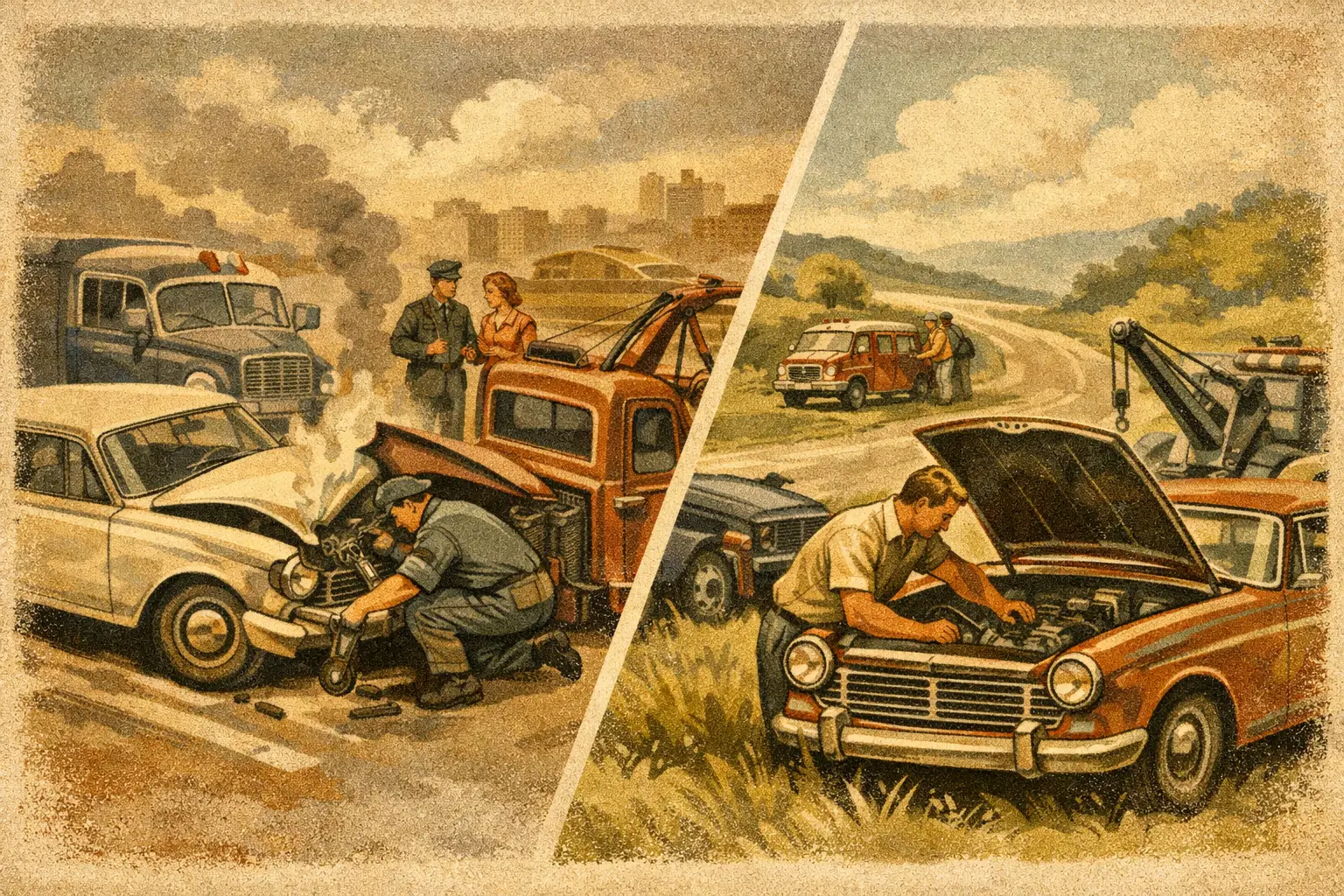
Accident recovery vs breakdown recovery explained clearly - what each service covers, when you need them, and how…
Read article
Need roadside help PE2 drivers can rely on? Get fast 24/7 support for breakdowns, jump starts, flat batteries,…
Read article