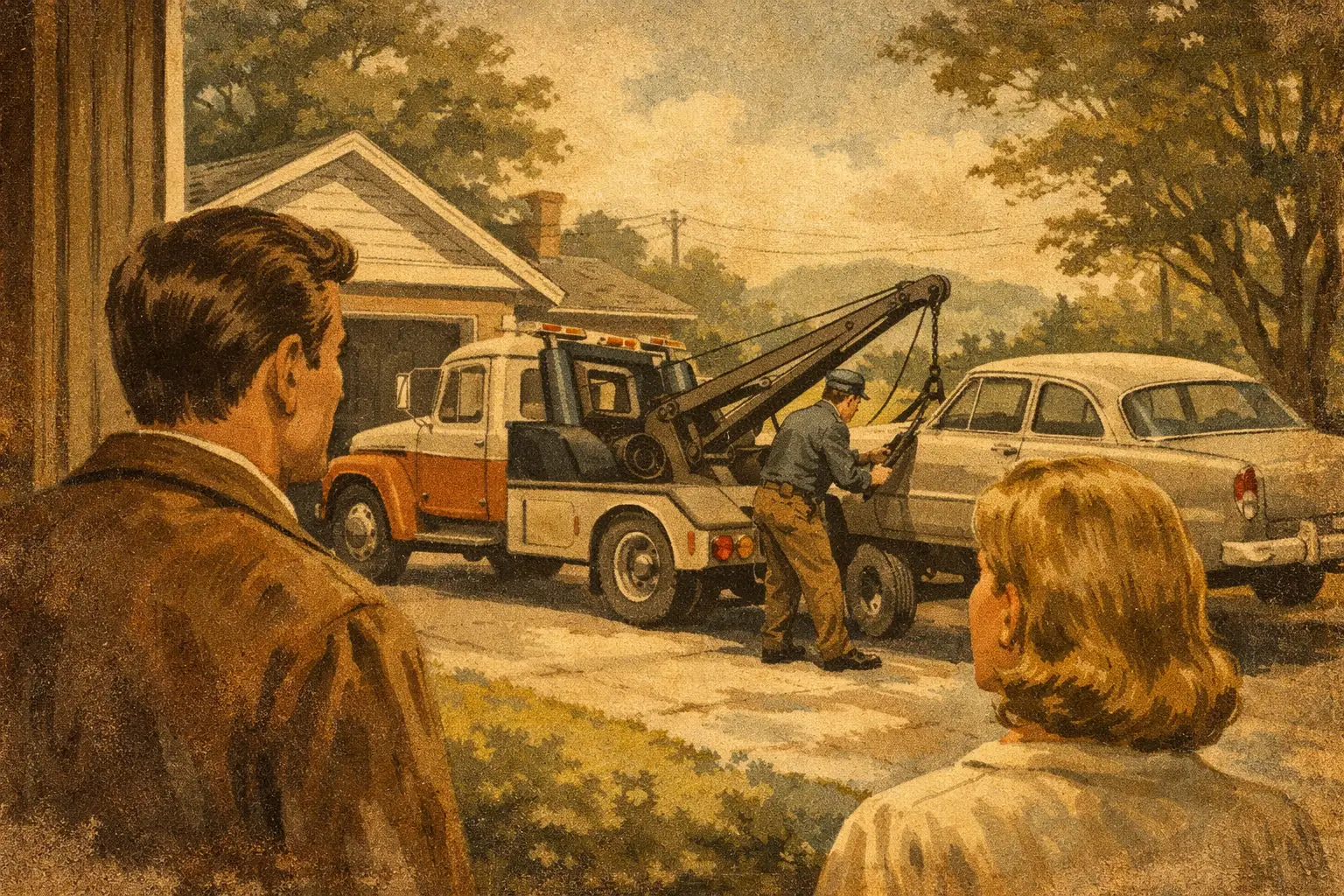
A car that will not start on your drive is just as disruptive as a breakdown at the roadside. If you are asking will recovery tow from home, the short answer is yes, usually – but it depends on the vehicle, access, and where it needs to go.
Home recovery is a common service for cars, vans, and other vehicles that cannot be driven safely. That includes flat batteries, engine faults, accident damage, seized brakes, punctures, missing keys, and vehicles that have simply been left standing too long. The main point is straightforward: if the vehicle cannot be moved under its own power, a recovery operator can usually collect it from your home address and transport it where it needs to go.
Will recovery tow from home in every case?
Not every situation is identical, and that matters. Most recovery firms can collect from a house, flat car park, workplace, or private parking space, but the method depends on access and the condition of the vehicle.
If your car is parked on a wide drive with room for loading, the job is usually simple. If it is boxed into a tight underground car park, facing the wrong way on a steep driveway, or has locked wheels and no steering, it may still be recoverable, but it needs the right equipment and a clear plan.
That is why a fast quote often starts with a few practical questions. Can the wheels turn? Does the steering lock work? Is the handbrake stuck on? Is there enough space for a recovery lorry to get close? Those details affect both timing and price.
When home vehicle recovery makes sense
A lot of people assume recovery is only for motorway breakdowns or accident scenes. In reality, home collection is often the quickest option when a car is not roadworthy and you do not want to make the problem worse by trying to move it yourself.
A dead battery is a good example. Sometimes a jump start solves it in minutes. Sometimes it does not, because the battery is completely finished or there is a deeper electrical fault. In that case, towing from home to a garage is often the most sensible next step.
The same applies to vehicles with clutch failure, gearbox problems, snapped springs, overheating issues, or damage after a bump. If the car is unsafe to drive, forcing it onto the road can turn a manageable repair into a much bigger bill.
There is also the practical side. You may have an untaxed vehicle that is booked for transport, a non-runner that needs to go for repair, or an unwanted car that needs collecting. Recovery from home is not only about emergencies. It is also useful for planned moves when a vehicle cannot legally or safely be driven.
What affects whether a vehicle can be towed from home?
The first factor is access. Recovery lorries need enough room to approach, position, and load. A standard residential street is rarely a problem, but narrow lanes, height barriers, multi-storey car parks, and gated developments can complicate things.
The second factor is vehicle condition. A car with four free-rolling wheels is simpler than one with crash damage, snapped suspension, or locked brakes. Non-runners can still be moved, but specialist skates, winching, or extra handling time may be required.
The third factor is destination. Some customers need local transport to a garage. Others need longer-distance vehicle movement, delivery to a bodyshop, or collection to a storage site. Distance changes the job, and so does urgency.
The final factor is timing. If you need same-day recovery from home, availability matters. A 24/7 service is helpful here because problems do not wait for office hours. Cars fail early in the morning, late at night, and when you are meant to be somewhere else.
What to expect when you book home recovery
The process should be quick and clear. You explain where the vehicle is, what is wrong with it, and where it needs to go. If possible, it helps to share photos. A picture of the parking position, wheel damage, or the space around the vehicle can answer questions faster than a long message.
You will usually be asked for the vehicle registration, make and model, collection postcode, destination, and whether the car rolls and steers. If the vehicle is blocked in or has serious damage, say so early. It saves delays when the recovery driver arrives.
On the day, the operator will assess the safest loading method. In simple cases, the vehicle is winched straight onto the lorry. In more difficult cases, it may need skates or additional positioning first. A professional service will talk you through what is happening rather than leaving you guessing.
If the vehicle is going to a garage, make sure the garage knows it is arriving. If it is going to your home, a storage site, or another address, check there is space to unload it safely.
Home towing is not always the same as roadside assistance
This is where some confusion comes in. Roadside assistance is usually about fixing the issue where the vehicle stands. Home recovery is about moving the vehicle when it cannot be fixed quickly or should not be driven.
For example, if your battery is flat on the drive, a jump start may get you going without towing. If the battery keeps failing, the alternator has gone, or the car still will not start, recovery becomes the next step. The same logic applies to punctures, warning lights, and minor mechanical faults. Sometimes the answer is a quick fix. Sometimes transport is the only sensible option.
That is why it helps to choose a service that can deal with both. If the problem is easy to sort, you save time and money. If it is not, the vehicle can still be moved without you arranging a second company.
Will recovery tow from home if the vehicle is badly damaged?
Usually yes, but damaged vehicles need honest information upfront. If a car has been in an accident, has suspension collapse, wheel damage, or deployed airbags, the loading process may take longer and need different equipment.
This does not mean the job cannot be done. It means the recovery team needs to arrive prepared. A no-nonsense operator would rather know the full situation before setting off than turn up and find a very different job from the one described.
The same applies to vehicles that have been off the road for months or years. Tyres may be flat, brakes may be seized, and access may have changed. These jobs are routine for recovery firms, but accurate details make the collection smoother.
Cost, urgency, and why the cheapest quote is not always best
Price matters, especially when the breakdown was not planned. But home recovery is not only about the lowest figure. Response time, local knowledge, communication, and the ability to handle awkward collections matter just as much.
A very cheap quote can become poor value if you are left waiting, have to chase for updates, or find out too late that the operator cannot load the vehicle from your location. A clear quote based on the real condition of the car is usually the better option.
For drivers in Peterborough and surrounding areas, this is where local coverage helps. A team that regularly handles home collections in residential streets, estates, and local postcodes can often give a faster answer and a more realistic arrival time.
Before the recovery driver arrives
There are a few simple things worth doing. Remove valuables from the vehicle. Keep the keys ready, even if the car will not start. If possible, make sure the route to the vehicle is clear. Let the operator know about low branches, narrow gates, or parking restrictions.
If you are not going to be there in person, confirm who will hand over the vehicle and where the keys will be. Clear communication avoids wasted time, especially on urgent same-day jobs.
Car Recovery Peterborough deals with this type of call every day, and the simplest bookings are usually the ones where the customer gives a clear location, an honest description of the fault, and a destination from the start.
If your vehicle is sitting at home and going nowhere, the key thing is not to overthink it. Ask the practical questions, get a clear quote, and arrange the collection before a bad situation turns into a longer delay.
Leave a Reply