July 9, 2026
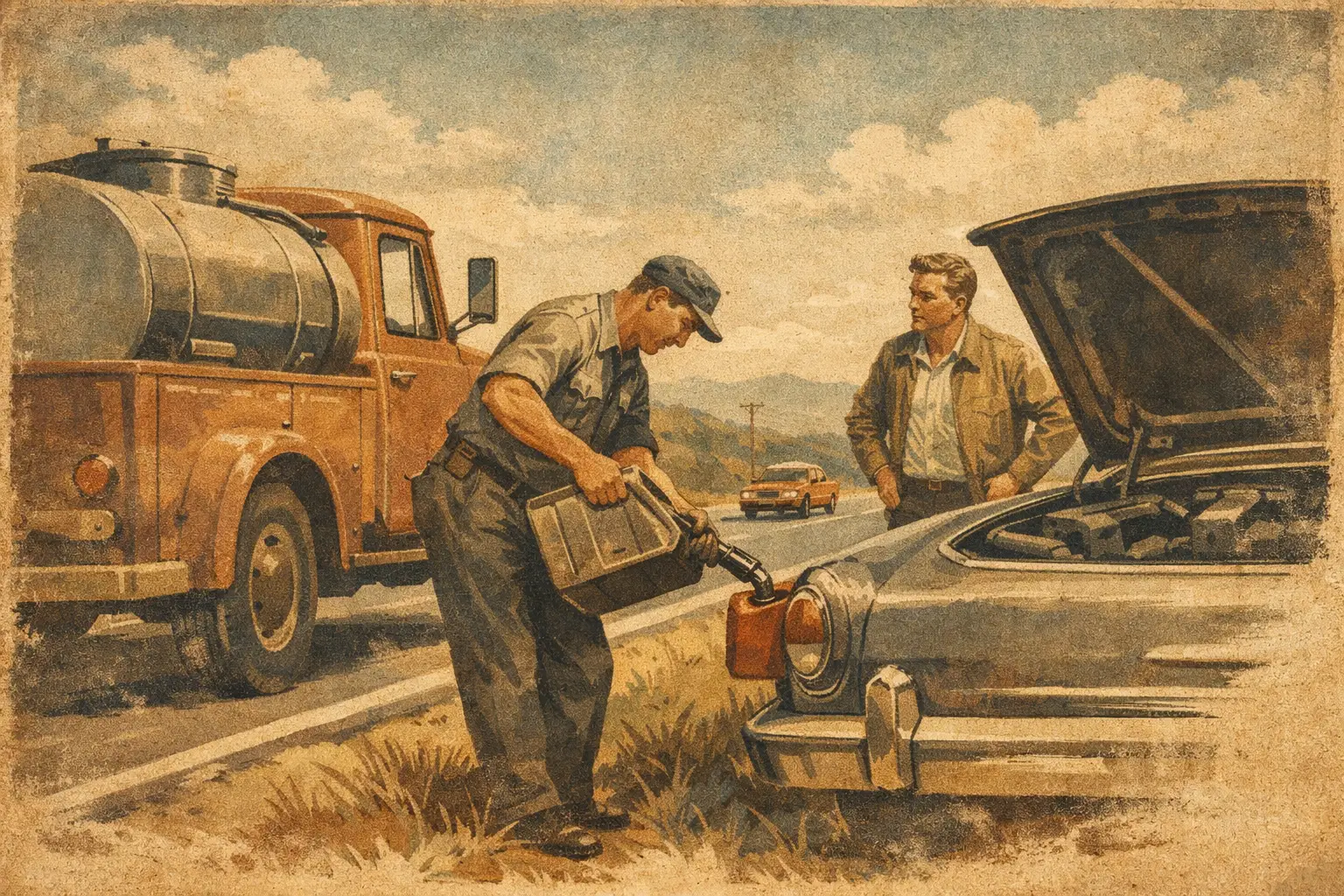
Can Fuel Be Delivered Roadside?
Can fuel be delivered roadside? Yes - in many cases it can. Learn how roadside fuel delivery works,…
Read article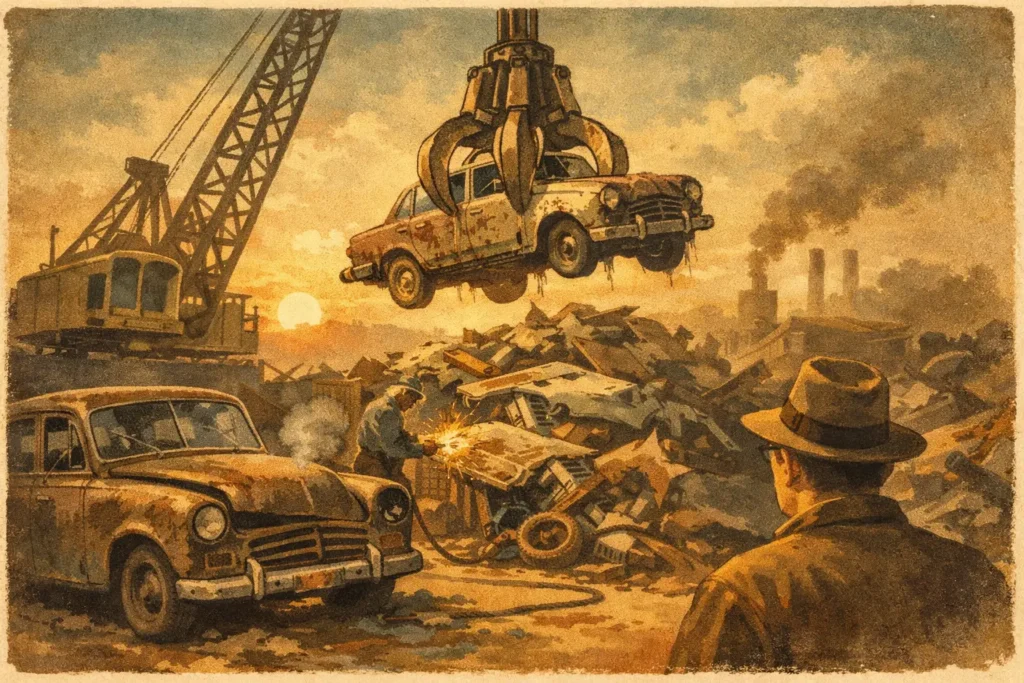
A car does not have to be completely dead before scrapping becomes the sensible option. If it has failed again, is sat on the drive, or needs more work than it is worth, delaying the decision can mean more expense and more hassle. The best reasons to scrap a car usually come down to safety, repair costs and the practical reality of keeping an unwanted vehicle.
For drivers in Peterborough, a straightforward collection can remove a problem vehicle without arranging transport, chasing buyers or paying to keep it insured. The key is knowing when repair still makes sense and when it is time to let the car go.
This is the clearest warning sign. A garage may quote for a new clutch, gearbox, timing chain, engine work or serious electrical fault, only for the total to be close to – or above – what the vehicle would sell for in working order.
That does not always mean scrapping is the only answer. A well-maintained car with a known history may justify a repair if it will then provide reliable use for several years. But when a low-value vehicle needs a £1,000 repair and has other faults waiting in the background, putting more money into it can be hard to justify.
Ask for a clear breakdown of the work, then compare it with the vehicle’s realistic value, not the price of an optimistic advert. Remember to include likely future costs such as tyres, brakes, servicing, tax and insurance. The cheapest decision today is not always the cheapest over the next 12 months.
One MOT failure is not necessarily a reason to scrap a car. Wear items such as tyres, bulbs, brake pads and wiper blades are normal maintenance. The picture changes when every test reveals another long list of advisories and major defects.
Repeated corrosion, suspension wear, brake pipe issues, emissions problems and structural concerns can turn an older vehicle into a continuing expense. If the car has been patched up several times already, the next repair may only buy a short period of motoring before another issue appears.
An MOT history can help you spot the pattern. If similar faults have returned year after year, or the advisories are becoming more serious, scrapping may be more practical than paying for another round of repairs with no certainty of reliability.
A collision can leave damage that is obvious, such as a crushed bumper, broken lights or a bent wheel. It can also cause problems that are harder to see, including suspension damage, steering faults, radiator leaks, airbag deployment or damage to the vehicle structure.
Insurers use the term write-off when the cost of repair is too high compared with the vehicle’s value. Even without an insurance claim, the same calculation applies. If the repairs are extensive and the car is worth relatively little, scrapping it may be the sensible route.
Do not assume a car is safe to drive just because it starts after an accident. Loose panels, damaged tyres, leaking fluids, altered steering or warning lights all need attention. Arrange recovery if the vehicle cannot be driven safely rather than taking chances on the road.
A seized engine, snapped timing belt or failed automatic gearbox can quickly turn a usable car into an expensive project. Replacement units can sometimes make sense for a newer vehicle or a model with good resale value. For an ageing car, however, the labour and parts bill often outweighs the benefit.
There is also the risk of paying for one major job only to uncover another. An engine replacement does not renew worn suspension, corroded components or ageing electrics. If the rest of the vehicle is tired as well, scrapping it can stop a cycle of escalating repairs.
A car that cuts out, struggles to start, overheats or regularly shows warning lights can affect more than your bank balance. It can mean missed work, disrupted school runs and the stress of wondering whether it will get you home.
Reliability matters particularly for commuters, families and tradespeople who depend on their vehicle every day. If breakdowns are becoming routine, it may be better to scrap the car and put the money you would have spent on repairs towards a more dependable replacement.
This is not just about mileage. Some high-mileage cars remain reliable because they have been cared for, while some lower-mileage vehicles develop persistent faults through age, poor maintenance or long periods off the road. Judge the car by its condition and history, not the odometer alone.
An unused vehicle rarely improves with time. Batteries go flat, tyres lose pressure, brakes can bind and damp can create electrical issues. Fuel can deteriorate, while a car left on private land may still need to be insured unless it has been properly declared off the road.
Many owners hold on to a non-runner because they plan to fix it eventually. If that plan has been delayed for months and there is no realistic repair date, collection for scrap can free up space and remove a lingering job from the list.
Before arranging collection, take out personal belongings and check the boot, glovebox, door pockets and under the seats. Keep any service records you need, but avoid stripping useful parts from the vehicle unless you are certain it will not complicate collection or paperwork.
Some faults are an inconvenience. Others make driving a car a poor risk. Serious brake issues, steering play, damaged tyres, structural corrosion, fuel leaks and defective lights should never be ignored.
If making the vehicle safe requires substantial work and it has little value left, scrapping can be the responsible decision. It protects you, your passengers and other road users from a vehicle that is no longer fit for dependable use.
Scrapping is not automatically right because a car is old or has failed an MOT. A single identifiable problem, especially on a vehicle with good bodywork, a solid service history and plenty of remaining value, can be worth repairing.
Get a proper diagnosis before deciding. A non-starting car may only need a battery, starter motor or sensor rather than the major repair you feared. Equally, a cheap repair can be false economy if it leaves major corrosion, recurring warning lights or a growing list of advisories untouched.
Think about what you need from the car over the next year. If you only require a temporary runabout and the repair is modest, keeping it may work. If you need dependable daily transport, the decision should place more weight on future reliability than on saving today’s repair bill.
Once you have decided, use a legitimate collection service that can handle a non-runner, accident-damaged vehicle or car with locked wheels. Give an accurate description when requesting a quote, including whether it starts, rolls, has keys and is accessible. This helps ensure the right recovery equipment is sent and avoids delays on collection day.
You should also deal with the vehicle paperwork correctly. An authorised treatment facility should provide the appropriate evidence that the vehicle has been accepted for end-of-life processing, where applicable. Keep your collection receipt, remove your belongings and notify the DVLA that you have transferred the vehicle to the relevant party. Do not leave an unwanted car with someone who cannot explain the process clearly.
If the car cannot move, there is no need to attempt a risky drive to a scrapyard. Car Recovery Peterborough can arrange practical vehicle collection for unwanted and immobilised cars, with clear communication from quote to pickup.
A car that is costing more in repairs, time and worry than it gives back has already made the decision easier. Get the facts, choose a safe collection route and clear the space for whatever comes next.
Need recovery right now?
WhatsApp Us
Can fuel be delivered roadside? Yes - in many cases it can. Learn how roadside fuel delivery works,…
Read article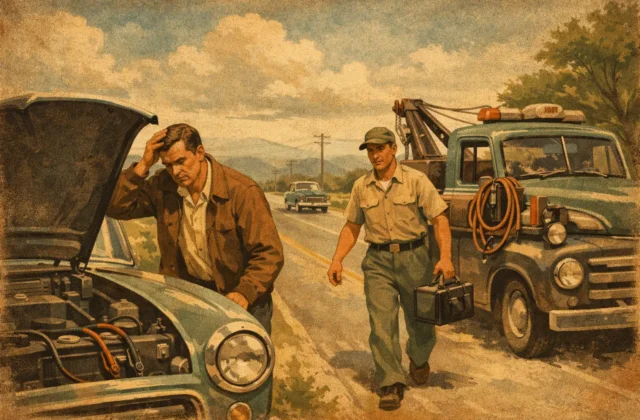
Need a flat battery callout example? See what to tell recovery, what happens on arrival and when a…
Read article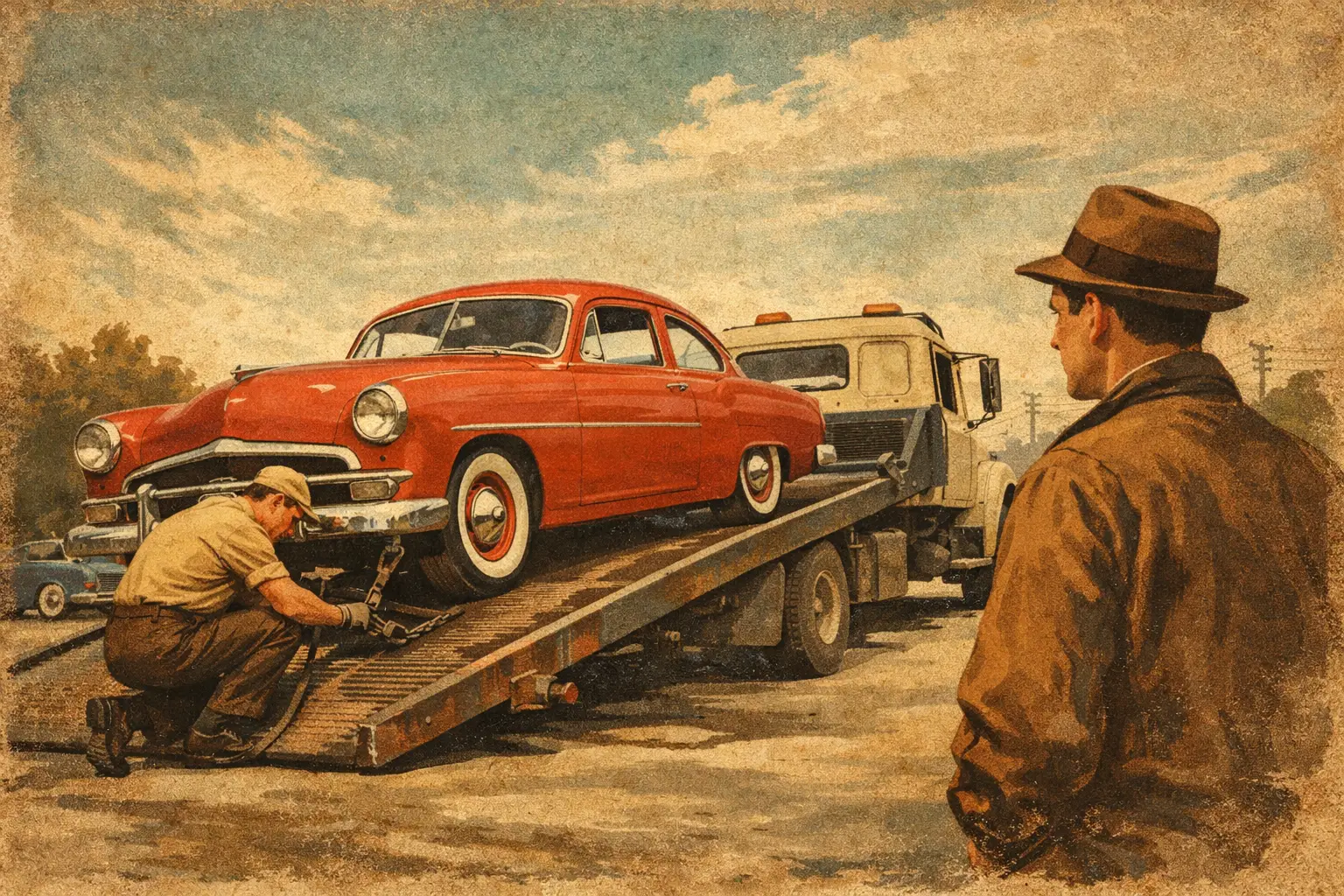
Learn how to transport non runner vehicles safely, legally and without hassle. Practical advice on towing, trailers, recovery…
Read article