May 27, 2026
How to Get Car Towed Without the Stress
Learn how to get car towed safely and quickly, what details to give, what it costs, and when…
Read article
A car can become scrap overnight. One failed MOT, a major engine fault, accident damage or a repair bill that makes no financial sense is often enough. This guide to scrap car collection explains how to get an unwanted vehicle removed properly, what information to have ready, and how to avoid unnecessary delays when the car will not start or cannot be driven.
For most owners, the priority is simple: a fair quote, a collection time that works, and confidence that the vehicle has been handled legally. The process should not add more stress to an already inconvenient situation.
Scrapping is usually worth considering when the cost of repair is higher than the car’s realistic value, or when it has become unreliable and unsafe to keep on the road. This is common with vehicles that have failed an MOT on structural corrosion, have serious gearbox or engine problems, or have been badly damaged in a collision.
It is not always the best answer. A car with a minor fault, usable parts or a strong resale value may be better sold as a repair project or traded in. The key question is whether a buyer would reasonably pay more for the vehicle than its scrap value, after allowing for the hassle of advertising, viewings and collection.
If the vehicle is parked on a driveway, at a garage, at the roadside after a breakdown, or on private land, collection can normally be arranged. Tell the collector exactly where it is and whether it can roll, steer and be accessed. That information determines the right recovery equipment and prevents a wasted visit.
A clear quote depends on accurate details. You do not need to be a mechanic, but being upfront about the vehicle’s condition helps the collection go smoothly and avoids confusion on arrival.
Start with the registration number, make, model and postcode. You will also be asked whether the car has wheels, whether the tyres hold air, and whether it starts, rolls and steers. A vehicle with locked wheels, no keys, collision damage or a missing engine can still often be collected, but it may need different loading arrangements.
Be ready to explain if the car is in a difficult position. For example, it may be behind another vehicle, in a multi-storey car park with height limits, down a narrow lane, or facing the wrong way on a busy road. A straightforward driveway pickup and a damaged car on a restricted-access site are not the same job.
Photos can help where the damage is severe. They give the operator a better idea of what is needed before setting off, particularly if the vehicle has flat tyres, suspension damage or no accessible towing point.
The V5C registration certificate is useful because it confirms the registered keeper’s details, but a missing V5C does not automatically mean collection is impossible. Speak to the collection provider first rather than assuming the car cannot be removed.
Before the vehicle goes, keep the following to hand where available:
Do not leave personal paperwork in the glove box or boot. Check under the seats, in the sun visors and in every storage compartment. It is also sensible to remove parking permits, toll tags, dash cams, phone holders and any child seats before collection.
Once you have accepted a quote, agree a collection window and provide a contact number. For urgent cases, same-day collection may be available depending on location, vehicle condition and recovery demand. If you need the car gone outside normal hours, say so at the start. A 24/7 recovery service can be particularly useful after an accident, a late breakdown or when an abandoned non-runner is blocking access.
On arrival, the driver will assess the vehicle and confirm that its condition matches the details supplied. Where a car can roll freely, it can normally be winched or loaded quickly. If it cannot move, extra care may be needed to protect the surface beneath it and load it safely.
The car is then transported to an authorised treatment facility or an approved route for depollution and recycling. A legitimate service does not simply leave an end-of-life vehicle elsewhere or pass the responsibility back to you. Ask what paperwork or confirmation you will receive after collection, especially if you need records for insurance, tax or personal peace of mind.
Scrap values move with the metal market, so quotes can vary. The weight of the vehicle matters, but so do its completeness, location and collection difficulty. A complete vehicle is generally worth more than one that has had major parts removed. Catalytic converters, alloy wheels and batteries can also affect the figure, although every vehicle is assessed differently.
Be wary of a high headline price that changes once the recovery driver arrives without a genuine reason. Accurate information protects both sides. If you have told the collector about missing parts, accident damage and access problems, there should be no surprise deductions later.
Payment should be clear before the booking is confirmed. Under UK rules, scrap metal dealers cannot pay cash for scrap vehicles. Payment is normally made by bank transfer or another traceable method. If someone offers a cash-in-hand deal for your end-of-life car, it is a warning sign rather than a convenience.
Collection is only one part of disposing of a car. You should also make sure the DVLA record is updated correctly. If the vehicle is scrapped through an authorised treatment facility, you should receive a Certificate of Destruction where applicable. This is evidence that the vehicle has been taken off the road and processed as an end-of-life vehicle.
Use the relevant DVLA process to tell them you have transferred the vehicle to a motor trader, insurer or authorised treatment facility, depending on the circumstances. Keep any confirmation you receive. This helps protect you from future issues such as tax queries, parking notices or enforcement letters linked to a vehicle you no longer own.
Contact your insurer once the car has been collected. If the vehicle is being written off after an accident, the insurer may have its own instructions and may arrange collection directly. Do not scrap an insured vehicle before checking, as it could affect an ongoing claim.
If the car has a private registration, retain or transfer it before disposal. Once the vehicle has been scrapped, recovering the registration can be far more difficult. Check this early rather than leaving it until the recovery vehicle is at the gate.
Most collection problems come down to missing information. A car described as a runner that actually has seized brakes, or a vehicle said to be on a driveway that is locked behind a gate, can delay the job. A quick, honest description is always better than trying to make the situation sound simpler.
Make sure somebody can provide access at the agreed time. If the car is on private land, confirm that the landowner or site manager is aware. If it is on a public road and has been involved in an accident, safety and police instructions come first. Do not attempt to push a badly damaged vehicle into a more convenient place.
It also helps to leave enough room for the recovery vehicle to approach. Move another car if possible, open gates in advance, and tell the driver about low branches, tight turns or height restrictions. These small checks can turn a difficult pickup into a quick one.
The cheapest quote is not always the best value if the service is vague about timing, payment or paperwork. Choose a provider that asks sensible questions, gives a clear collection plan and explains what happens next. For drivers in and around Peterborough, Car Recovery Peterborough can arrange practical vehicle recovery and scrap collection support when a non-runner needs moving without delay.
A scrap car is still your responsibility until it has been collected and the transfer has been properly recorded. Take ten minutes to remove your belongings, gather the documents and describe the vehicle honestly. Then the collection becomes what it should be: one straightforward job off your list.
Need recovery right now?
WhatsApp Us
Learn how to get car towed safely and quickly, what details to give, what it costs, and when…
Read article
What is breakdown assistance? Learn what it covers, when you need it, and how roadside help gets you…
Read article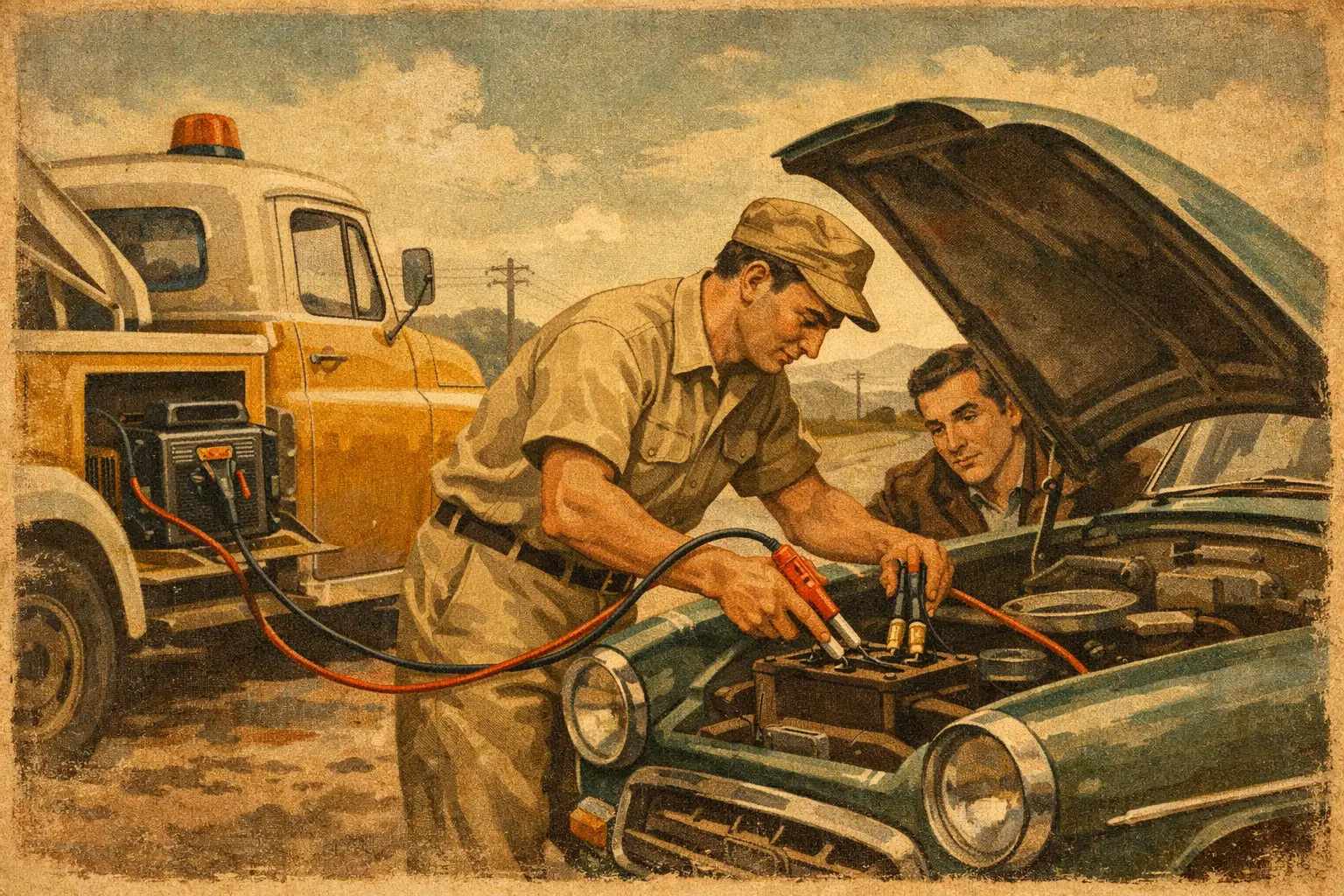
Can roadside recovery fix flat battery issues? Yes, often on the spot. Learn when a jump start works,…
Read article