When a car will not roll, the first question is usually simple – can a seized car be towed, or will that make things worse? The short answer is yes, sometimes, but it depends on what has actually seized and how the vehicle is moved. Get it wrong and you can add more damage, lock up the transmission, or turn a straightforward recovery into a much bigger repair bill.
A lot of drivers use the word seized to mean any car that will not move. In practice, that could mean a seized engine, brakes stuck on, a locked wheel bearing, jammed steering, transmission failure, or a car that has been sitting so long that multiple parts have tightened up. Each one changes the recovery method.
Can a seized car be towed in every case?
Not in every case, and that is where many people come unstuck. If the car can still freewheel in neutral and the wheels rotate normally, a standard tow may be possible over a short distance. If a wheel is locked, the handbrake is stuck, the gearbox is jammed, or the engine seizure is linked to transmission damage, dragging it on its wheels is the wrong move.
This is why recovery firms ask questions before they give a quote or dispatch a vehicle. They need to know whether the car rolls, whether the steering turns, whether it is stuck in gear, and whether all four wheels are intact. Those details decide whether a tow lorry with wheel skates, a flatbed lorry, or a winch recovery is needed.
For most seized vehicles, the safest answer is not a rope tow and not a quick pull with another car. It is proper recovery equipment designed for immobilised vehicles.
What does seized actually mean?
The term gets used loosely, but there are a few common situations.
Seized engine
A seized engine usually means the internal moving parts have locked due to overheating, oil starvation, or major mechanical failure. In some cases, the car may still roll if it is in neutral and the gearbox is not affected. In others, especially with automatics or severe drivetrain issues, trying to move it can create resistance or further damage.
Seized brakes
This is very common on cars that have stood unused. Brake callipers can stick, rear drums can bind, and the handbrake can seize on. The car may try to move but one or more wheels refuse to turn properly. Dragging it like that can destroy tyres, damage the brake system, and leave deep marks on the road surface.
Seized wheel bearing or hub
If a bearing has collapsed or locked, that wheel may not rotate freely at all. Again, that rules out a basic tow on its own wheels.
Seized steering or transmission
If the steering is locked or the gearbox is stuck, the car may be impossible to control during a conventional tow. That becomes a safety issue as much as a mechanical one.
When towing is possible
A seized car can be towed if the recovery method matches the fault. That is the key point. People often hear the word towed and think of one car pulling another with a strap. In the trade, towing can also mean loading the vehicle onto a recovery lorry and transporting it properly.
If the wheels turn, the steering works, and the car can be placed in neutral, a short controlled tow may be possible. Even then, there are limits. Distance, road type, vehicle weight, and whether the car is manual or automatic all matter.
If the vehicle does not roll freely, a flatbed or lift-and-transport setup is normally the right answer. The car may still be towed in the broader sense, but not dragged along the road on locked wheels.
When towing a seized car can cause more damage
The biggest risk comes from assuming every immobilised car can be moved the same way. It cannot.
Dragging a car with seized brakes can overheat parts that are already damaged. Pulling an automatic vehicle with transmission issues can cause internal gearbox wear. Trying to force a car with locked steering around corners can put the car, the towing vehicle, and other road users at risk.
There is also the issue of loading angle and access. A seized car on a driveway, in a tight car park, or hard against a kerb may need to be lifted, skated, or winched carefully before it can even be positioned for transport. That is why proper recovery is less about brute force and more about the right kit.
The safest way to move a seized vehicle
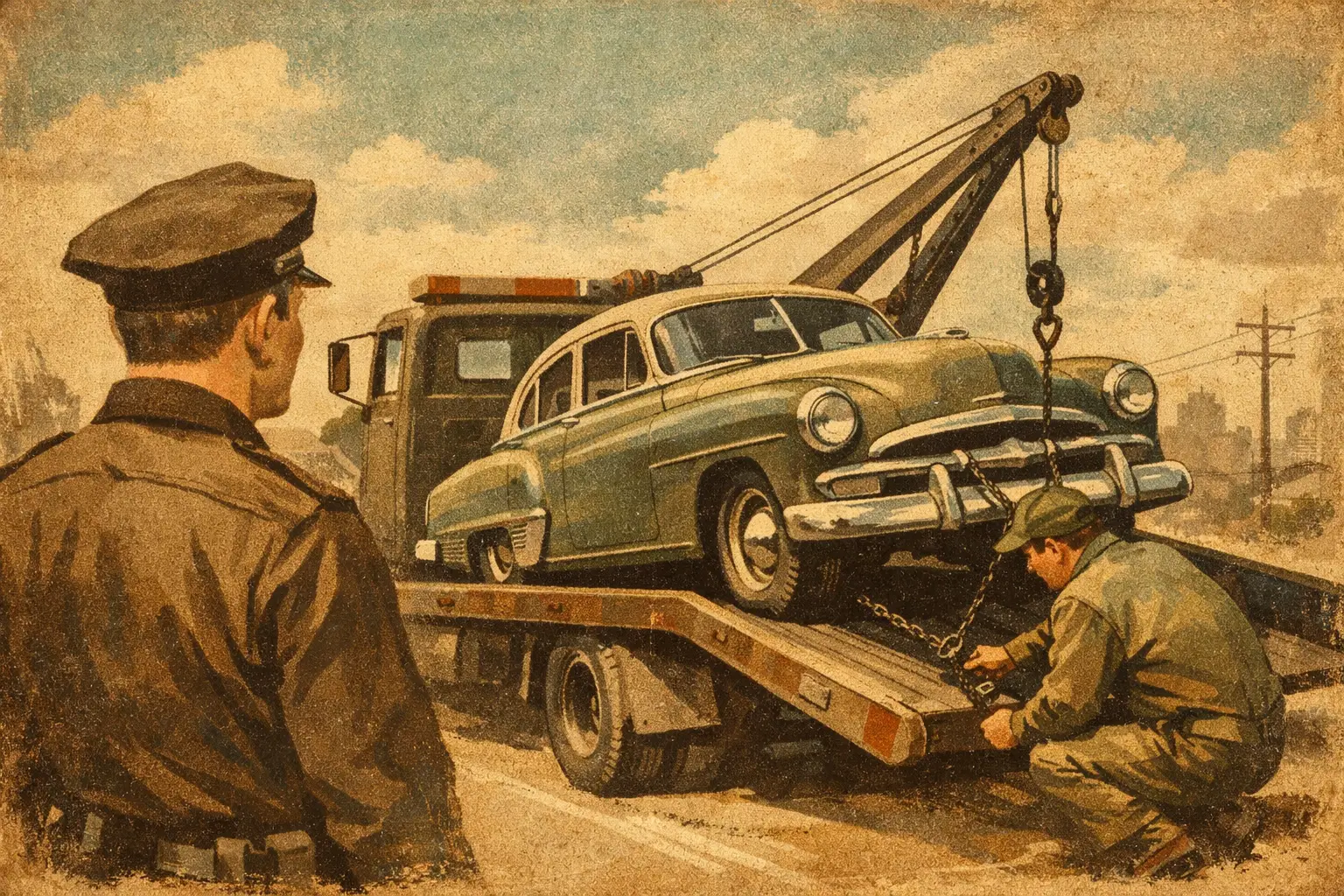
In most cases, the safest option is a flatbed recovery lorry. This keeps the seized car off the road surface and removes the risk of dragging locked components. If one or more wheels are jammed, wheel skates or dollies can be used to help reposition and load the vehicle without scraping it across the ground.
A good operator will not just turn up and hook it up. They will assess whether the wheels rotate, check whether the vehicle can steer, and decide the cleanest way to load it. That matters even more after an accident, where visible damage is only part of the story. Suspension, hubs, brakes, and steering parts may all be compromised.
For drivers in Peterborough, that is usually the difference between a quick recovery and a long, stressful delay. A local firm with the right equipment can often collect a seized vehicle the same day, even if it is awkwardly parked or completely immobilised.
Manual vs automatic cars
This is one of the most important trade-offs.
A manual car with a seized engine may still roll in neutral if the clutch and gearbox are not affected. That does not automatically make it safe for a long tow, but it can make recovery easier.
An automatic is more sensitive. Many automatic gearboxes are not designed to be towed on the drive wheels for any real distance, especially if the engine is off. Without proper lubrication circulating, internal parts can suffer damage. Some vehicles are stricter than others, so the make and model matters.
That is why recovery operators often prefer a full lift or flatbed for automatic cars that have seized or broken down badly. It avoids guesswork.
What you should do if your car has seized
First, do not keep trying to force it to move. If the engine has seized, repeated start attempts will not revive it. If the brakes or wheels are locked, more throttle can make things worse.
Put safety first. If you are roadside, get the car as visible and secure as possible and move yourself to a safe place if needed. Then describe the symptoms clearly when you call for help. Say whether the engine turns over, whether the car rolls, whether a wheel is locked, and whether the steering works. Those details help the recovery team bring the right vehicle first time.
If you are not sure what has seized, say that too. It is better to be honest than to guess. A decent operator would rather arrive prepared than find out on scene that the job needs different equipment.
Can you tow it yourself?
Sometimes people consider using a tow rope or asking a mate with a van to pull the car home. For a seized car, that is usually a poor idea.
The issue is not just whether the vehicle moves. It is whether it can be moved without causing damage or creating a hazard. If the brakes are binding, the wheel is jammed, or the steering is compromised, a DIY tow can go wrong quickly. Even if the car starts moving, it may not track properly or stop predictably.
There are also legal and insurance considerations when towing on public roads, especially if the vehicle is not roadworthy. A professional recovery service is not just more convenient. It is often the safer and cheaper option once you factor in the risk.
How recovery services handle seized cars
A proper seized vehicle recovery usually follows a simple process. The operator asks the right questions, chooses the right lorry, arrives with winching and loading equipment, and moves the car without relying on the seized parts to function.
That might mean lifting the driven axle, using skates under locked wheels, or loading the entire vehicle onto a flatbed for transport to a garage, home address, or storage location. If the car is beyond economical repair, the same recovery setup can also move it for disposal or scrap collection.
The point is speed with care. When your car will not move, you do not need jargon. You need someone to assess it properly, load it safely, and get it from A to B without adding another problem.
If your vehicle has seized, the best next step is simple – do not drag it and hope for the best. Get it checked, get it recovered the right way, and give yourself the best chance of keeping the damage limited.
Leave a Reply