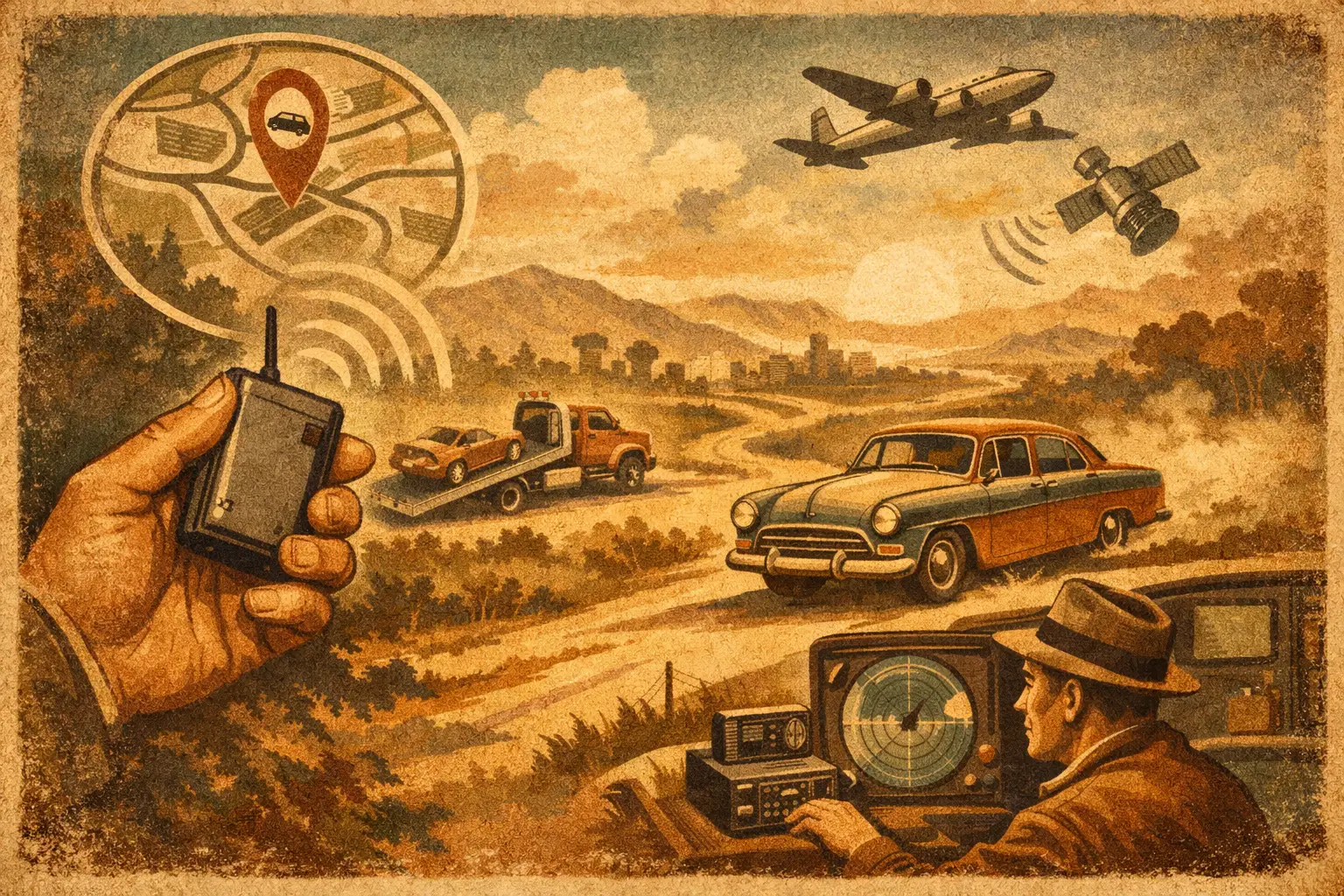
If your car disappears off the drive at 2am, the difference between getting it back and losing it for good often comes down to one thing – how quickly it can be found and moved. That is exactly why a vehicle tracker for recovery review matters. A tracker can improve your chances, but it is not a magic fix, and it only works properly when the recovery side is just as fast.
For most drivers, the promise sounds simple. Fit a tracker, monitor the vehicle, recover it if stolen. In practice, the quality of the device, the alert system, the subscription model and the response after the theft all make a real difference. Some trackers are useful for live location and little else. Others are built specifically for theft recovery, with monitoring teams, tamper alerts and support for insurers.
What a vehicle tracker for recovery review should actually cover
A proper review should not stop at features on a box. The main question is whether the tracker helps get the vehicle back in the real world, under pressure, when time matters.
That means looking at how fast it reports movement, whether it keeps sending a signal if thieves try to block or remove it, and whether someone can act on the information straight away. A map pin on your phone is useful, but if the vehicle is moving between sites, hidden in a container, or parked in a signal-poor area, a basic consumer tracker may fall short.
There is also a difference between tracking for convenience and tracking for recovery. If you want to check where a family car is or monitor a van fleet, many devices will do the job. If you want the best chance of recovering a stolen car, you need to judge the tracker by recovery performance, not by app design alone.
The main types of vehicle trackers
The cheapest end of the market usually relies on GPS with a mobile data connection and a smartphone app. These can work well enough for day-to-day visibility, especially if the car remains in open areas with strong signal. They are often easy to fit, relatively affordable and fine for owners who mainly want location history, battery alerts or geofencing.
The trade-off is that many budget trackers are easier to find and disable. If a thief knows where to look, a visible or badly fitted unit may not stay active for long. Some also depend on the vehicle battery, so once power is cut, updates stop.
Mid-range trackers add better tamper warnings, backup batteries and more reliable notifications. These can be a sensible middle ground for everyday vehicles where you want more than just a basic location app but do not need a full monitored service.
At the higher end, stolen vehicle recovery trackers are designed with theft in mind. These often include 24/7 monitoring, dedicated support and technology intended to keep working even when thieves try to interfere. They are normally more expensive and usually come with ongoing fees, but that extra cost is paying for response, not just hardware.
What matters most in a recovery situation
Speed matters first. The sooner a theft is detected, the better the odds of recovery. A tracker that delays alerts by ten or fifteen minutes may still sound acceptable on paper, but in that time a vehicle can travel a long way or be hidden.
Accuracy matters next. If the reported position is vague, outdated or inconsistent, recovery becomes slower and more difficult. In urban areas, underground parking, industrial units and remote stretches can all affect performance.
Tamper resistance is another major point. A decent recovery tracker should not become useless the moment a battery lead is removed or a panel is lifted. Hidden installation, backup power and anti-tamper alerts all help.
Then there is the support behind it. Some systems leave everything to the owner. Others escalate alerts, verify suspicious movement and help coordinate the next step. That difference is often overlooked until the worst happens.
The weak points many reviews miss
A lot of tracker reviews focus too much on setup and too little on what happens after theft. Ease of installation is nice, but recovery is the real test.
For example, app quality gets plenty of attention. Fair enough – no one wants a clunky app. But a polished app does not guarantee good recovery performance. A simple system with better hardware and faster alerts may be more effective than a flashy app with weak signal retention.
Battery life claims can also be misleading. Some portable trackers advertise long life, but that may depend on infrequent reporting. If you increase update frequency to improve recovery use, battery duration often drops sharply.
There is also the issue of subscriptions. A low upfront price can look attractive until renewal costs start stacking up. For some owners, that cost is still worth paying. For others, especially with lower-value vehicles, a simpler setup may be enough.
Is a tracker enough on its own?
Usually, no. A tracker improves recovery chances, but it works best as part of a wider approach. Physical security still matters. A steering lock, immobiliser, secure parking and sensible key protection can make theft less likely in the first place.
And if the vehicle is found but cannot be driven, recovery still needs to happen properly. That is where the real-world gap often shows. Locating a stolen or immobilised vehicle is only half the job. If it has damage, locked wheels, missing keys or accident impact, it still needs professional transport.
For drivers dealing with a stressful situation, that distinction matters. You do not just need coordinates. You need someone who can get the vehicle collected safely and without delay.
When a tracker makes the most sense
A tracker is easiest to justify when the vehicle has higher theft risk, higher value or both. That includes prestige cars, sought-after vans, motorhomes, trade vehicles with tools inside and cars kept in exposed locations.
It can also make sense if your insurer expects one, or if losing the vehicle would cause serious disruption to work or family life. For a sole trader who depends on a van, recovery time is not just about the vehicle. It affects jobs, income and customers waiting on site.
For older, lower-value cars, the decision is more balanced. A full subscription recovery system may not be worthwhile. A basic tracker might still offer peace of mind, but the economics depend on the value of the vehicle and how you use it.
Vehicle tracker for recovery review – who should buy what?
If you want simple visibility for your own car, a decent mid-range GPS tracker may be enough. Look for reliable alerts, hidden fitting options and backup power.
If the vehicle is high-value or at clear theft risk, a monitored recovery tracker is usually the stronger option. The monthly or annual cost can be justified by a better chance of fast action when it matters most.
If you run vans or commercial vehicles, think beyond theft alone. A tracker can help with location, route history and vehicle use, but it should also support fast recovery if a vehicle is stolen, damaged or abandoned. In those cases, practical support on the ground matters just as much as the software.
The local recovery angle drivers should not ignore
A tracker tells you where a vehicle is. It does not tow it, secure it or deal with a car that is damaged, stuck or unsafe to drive. That is where many owners hit a wall after the initial relief of locating the vehicle.
If a stolen car is recovered to a roadside, industrial estate or awkward private location, you need transport that can respond quickly and handle the condition of the vehicle. The same applies after police release, accident damage or failed restart attempts.
For drivers in and around Peterborough, this is not a theoretical issue. A fast, local recovery service can be the difference between a vehicle sitting exposed for hours and getting it moved quickly to a safer location, home address or garage. That is why trackers and recovery should be seen as connected, not separate.
A good tracker helps you find the vehicle. Good recovery gets the job finished.
Our verdict
Most vehicle trackers are not equal, and the cheapest option is not always the smartest one. If your goal is actual theft recovery, focus on alert speed, signal reliability, tamper resistance and what support exists once the vehicle is located. Fancy extras matter less.
The right choice depends on the vehicle, the risk and how much disruption a theft would cause you. For some drivers, a simple tracker is enough. For others, paying more for a proper recovery-focused system is the sensible move.
Whatever you choose, remember the practical bit people often forget. Finding a vehicle is only step one. If it cannot be driven, cannot be accessed easily or needs moving in a hurry, you still need a recovery plan that works when the pressure is on.
Leave a Reply