If your MOT has run out and the car cannot legally stay on the road, the question usually gets urgent very quickly: who moves cars without MOT, and what is actually allowed? The short answer is that a recovery operator or vehicle transporter can move it for you, but the right method depends on whether the car is roadworthy, where it is going, and why it needs moving.
Who moves cars without MOT?
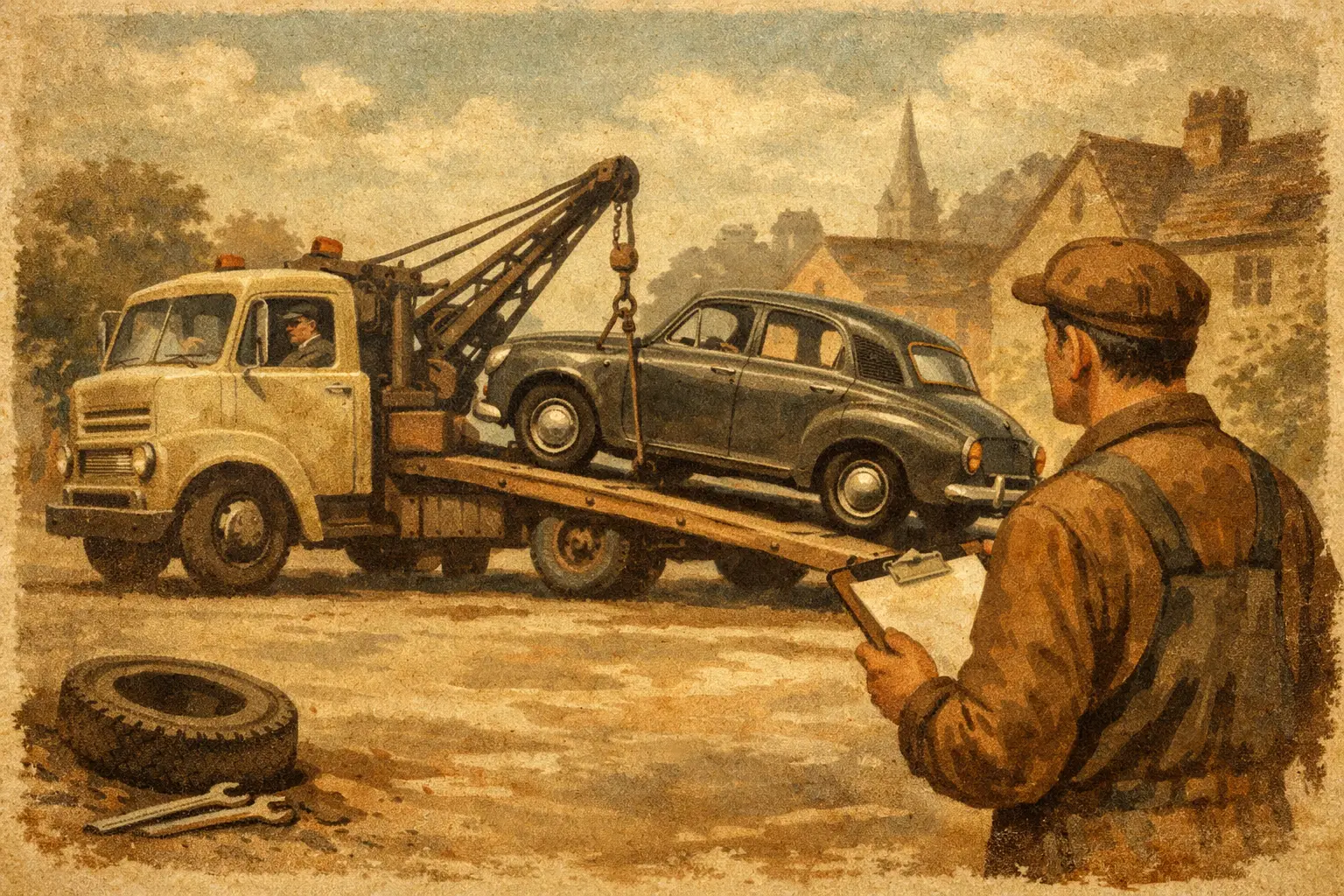
In most cases, cars without MOT are moved by vehicle recovery companies, car transport firms, or garages collecting a vehicle for repair. If the car is not legal or safe to drive, it should usually be transported rather than driven. That means lifting it onto a recovery lorry, trailer, or transporter rather than taking it on the road under its own power.
This matters because people often mix up two different things. One is whether a car has a valid MOT. The other is whether it is actually roadworthy. A car can fail an MOT and still move physically, but that does not mean it should be driven. If the brakes, tyres, steering or lights are unsafe, professional transport is the safer and usually the more sensible option.
For a driver dealing with a non-runner on the driveway, a car bought at auction, or a vehicle that has been sitting for months, a recovery company is usually the quickest answer. A proper operator can collect from home, roadside, workplace or garage and move the vehicle without you having to risk driving it illegally.
When can a car without MOT be moved legally?
There is one well-known exception that catches people out. You can usually drive a car without MOT to a pre-booked MOT test. You can also drive it to a garage for repairs required after a failed test, if that journey is legitimate and the vehicle is still roadworthy.
That does not mean every trip is allowed. Driving to “sort it out later” or using a booked test as cover for general travel is not the same thing. If you are stopped, you may need to show that the test was genuinely booked and that the journey made sense.
There is another point people miss. Even with a booked MOT, the vehicle must still be safe to drive. If it has dangerous faults, a seized wheel, flat battery, no clutch, accident damage or serious tyre wear, recovery is the right route. The legal exception does not turn an unsafe car into a safe one.
Recovery or transport is often the safer choice
For many owners, the real issue is not just the MOT certificate. It is whether the car starts, rolls, steers and stops properly. If any of those are in doubt, you need a transporter or recovery lorry.
A local recovery business can normally handle more than just simple breakdowns. Cars with flat batteries, accident damage, locked wheels, missing keys or suspension problems often need specialist loading methods. That is different from asking a friend to tow it with a rope, which can create more problems than it solves.
Professional recovery also removes the pressure of trying to work out the rules while standing beside a car that cannot be driven. You get a collection arranged, the vehicle is moved properly, and you are not gambling on whether the journey will be questioned later.
Who moves cars without MOT if the car is at home?
If the vehicle is parked on your drive, outside your house or in a private car park, a recovery operator is usually the easiest option. This is common when a car has been off the road for a while, failed its MOT, or been declared SORN and now needs to go to a garage, test centre, buyer or scrap yard.
The main question is access. If the car is boxed in, has no keys, or will not roll, the operator needs to know before arrival. A straightforward collection on a clear driveway is one job. A vehicle with locked wheels in a tight residential space is another. Good recovery firms will ask the right questions up front so the correct lorry is sent first time.
That saves delay and keeps the quote accurate. It also matters if you need same-day movement because the vehicle is blocking access or causing trouble with parking.
What about buying or selling a car without MOT?
This is another situation where transport is often needed. If you buy a car without MOT from a private seller, auction or trader, you should not assume you can simply drive it home. The safest approach is to have it transported, especially if you have not inspected it properly yourself.
The same applies if you are selling one. Buyers may ask if the car can be moved even though it has no test. A recovery service gives both sides a practical way to complete the handover without arguing over whether it is legal to drive.
For older vehicles, project cars and non-runners, this is routine. Transport also reduces the risk of a sale falling apart because the buyer turns up expecting to drive away and then realises they cannot.
Can a garage collect a car without MOT?
Yes, many garages can arrange collection, but not all of them do it directly. Some use a third-party recovery company to move the vehicle. If your car has failed its MOT and cannot be driven, asking the garage whether they offer transport is worth doing.
That said, going direct to a recovery operator is often faster. You can explain the condition of the car, the collection point and the destination in one call or message. For urgent moves, that usually speeds things up.
In Peterborough and the surrounding postcodes, this tends to matter when people need quick collection from home to a local workshop without waiting days for a slot. If the car is stuck where it sits, speed is not a luxury. It is the whole point.
Does insurance or tax change anything?
It can. A valid MOT, vehicle tax and insurance often sit together, but they are not identical legal issues. A car may be uninsured, untaxed, SORN, or missing its MOT – each creates a different problem.
If the car is being transported on a recovery vehicle, that is generally very different from driving it on the road. Once you are talking about actual driving, all the usual legal requirements come back into play. So while people often ask only about MOT, the safer question is whether the vehicle is fully legal and genuinely fit to drive. If not, book transport.
That is especially true if you are relying on assumptions like “it is only a short distance” or “I am just taking it to a garage”. Short journeys still count.
How to choose the right company to move a car without MOT
The best operator for this kind of job is not just the cheapest one. You need someone who can actually load the vehicle in its current condition and turn up when they say they will.
Ask whether they move non-runners, failed MOT vehicles and damaged cars. Check if they need the keys, whether the wheels turn, and what type of lorry they use. Be clear about access, fault condition and destination. The more accurate the job details, the smoother the collection.
You should also look for clear pricing and straightforward communication. If the car needs moving urgently, being able to send photos and get a fast quote by phone or WhatsApp makes a real difference. It cuts out the back-and-forth and gets the right plan in place quickly.
When recovery is the best answer
If the vehicle has failed its MOT with dangerous defects, has been off the road for months, will not start, or you simply do not want to risk driving it, recovery is usually the sensible choice. It keeps you on the right side of the rules and avoids turning a simple collection into a roadside problem.
For most people, the question is not really who moves cars without MOT. It is who can move this car, in this condition, without wasting time. That is why dedicated recovery and transport services exist. They deal with cars that are stuck, expired, damaged, unwanted or not fit to drive, and they do it without adding hassle at the worst moment.
If you are looking at a vehicle with no MOT and wondering whether to chance it, do not. Get it moved properly, get it where it needs to be, and deal with the next step once the car is safe and off the road.
Leave a Reply